Are you struggling with COPD and still have occasional flare-ups?
If you have had a COPD flare-up in the last 12 months that required medical attention, you may qualify to participate in a clinical research study. We are testing new investigational therapies to find out if they can reduce airway inflammation and improve COPD symptoms. This website can help you and your doctor decide if this COPD research study could be an option for you.
Who may participate?

CONDITION
Diagnosed with Chronic Obstructive Pulmonary Disease

GENDER
All

AGE
40 and Up

LOCATION
Jenkintown, PA

- Diagnosed with COPD for at least one year
- Be a current or former smoker who quit 6 or more months before entering the study
- Have had a COPD flare-up in the past 12 months that required medical attention
There are additional requirements to participate. The staff at the study center will explain the complete list of requirements. At a pre-screening and screening visit, the study doctor and staff will determine whether all requirements to participate are satisfied.
Study Background
The World Health Organization estimates that 65 million people worldwide have moderate to severe COPD. COPD is a major cause of disability and is expected to become the leading cause of death globally within the next two decades.
There is no cure for COPD. There are treatments available for doctors to prescribe, including treatments called maintenance therapies to help maintain regular breathing. Doctors may prescribe one of these maintenance therapies, or they may prescribe a combination therapy of 2 or 3. However, even with the combination of all 3 therapies (called “triple therapy”), some people still have COPD symptoms or experience COPD flare-ups, which can result in a hospital admission.
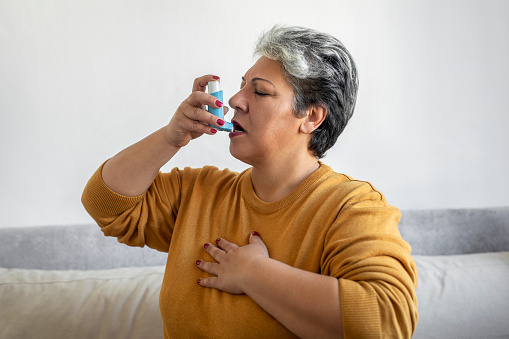
This is a clinical research study to compare the safety and effectiveness of two investigational inhaled combination treatments, each dispensed in a single inhaler. One inhaler is a combination of three medications (triple therapy) and the other inhaler is a combination of two medications (dual therapy). There is no placebo (sugar pill) in this study.
Study Background
The World Health Organization estimates that 65 million people worldwide have moderate to severe COPD. COPD is a major cause of disability and is expected to become the leading cause of death globally within the next two decades.
There is no cure for COPD. There are treatments available for doctors to prescribe, including treatments called maintenance therapies to help maintain regular breathing. Doctors may prescribe one of these maintenance therapies, or they may prescribe a combination therapy of 2 or 3. However, even with the combination of all 3 therapies (called “triple therapy”), some people still have COPD symptoms or experience COPD flare-ups, which can result in a hospital admission.
This is a clinical research study to compare the safety and effectiveness of two investigational inhaled combination treatments, each dispensed in a single inhaler. One inhaler is a combination of three medications (triple therapy) and the other inhaler is a combination of two medications (dual therapy). There is no placebo (sugar pill) in this study.
Common Questions
At a pre-screening visit, the study staff will first give a detailed explanation of the study and its potential risks and benefits. This explanation will be made verbally and in writing. Only after obtaining your written informed consent will study-specific procedures take place.
Next, during a screening visit, the study doctor and staff will conduct a series of examinations to determine whether the study is a good fit for you. If you pass screening, you will begin a 2-week preparation period before the treatment part of the study begins.
During the study, you will be required to:
- Take your assigned study treatment, as instructed by the study doctor
- Complete a daily at bedtime electronic diary on a study provided smart phone to record any COPD medications and respiratory symptoms
- Attend regular clinic visits for assessments to monitor your health and condition – there are up to 12 clinic visits and 1 phone call in this study
If you qualify and choose to participate in the study, you will be in the study for about 55 to 56 weeks. This will involve up to 12 visits to the study center and one phone call. The study is divided into 4 parts: a pre-screening period (maximum 1 week), screening period (2 weeks), study treatment period (52 weeks), and follow-up period (1 week). Your participation is completely voluntary. This means you will be free to leave the study at any time. If you choose to leave the study, your study doctor will discuss treatment options with you.
If you decide to take part in a study, it means that you agree to:
- Attend your study visits and complete study procedures
- Take your assigned study treatment, as instructed by the study doctor
- Record your medications and symptoms daily using an electronic device throughout the study
- Tell your study doctor and the study staff about any changes in your health, including visits to other doctors
- Talk to your study doctor before making any changes in your medications
The medications being researched (called “Study Drugs” on this website) are inhaled medications that may reduce inflammation in the airways and improve COPD symptoms.
Some people on therapy for COPD still have symptoms or experience COPD exacerbations, which can result in a hospital admission. This study will assess whether the Study Drugs can reduce the occurrence of these COPD flare-ups.
If you qualify and choose to participate in this study, a computer will assign you to a study treatment group by chance. This is called randomization. Your assigned study treatment will include one or more of the following:
- A study drug inhaler with a dual combination therapy
- A study drug inhaler with a triple combination therapy
- There is no placebo in this study
If you develop pneumonia or have a COPD exacerbation while you are in a study, the study doctor will prescribe appropriate medications or treatments.
A placebo looks like a drug but does not contain any actual medication. Placebos help to make sure that changes seen during a study are due to the investigational drug or another active medication and not another reason.
There is no placebo in this study.
The Study Drugs will be dispensed by an inhaler.
Your study doctor and the study staff will provide detailed instructions for storing, taking, and returning your assigned study treatment medications.
At visits to the study center various examinations and assessments will be done to monitor your health and condition.
Procedures at study visits may include:
- Assessment of COPD exacerbation
- Physical examination
- Measurement of your vital signs (blood pressure)
- Measurement of the electrical activity of your heart using an electrocardiogram (ECG)
- Review of any side effects and changes in your health and medications
- Drawing or collection of blood and urine samples
- Breathing test, spirometry measurements
- Completion of questionnaires
Study visits may also include additional procedures. Your study doctor will explain all procedures to you and answer any questions you may have.
Taking part in a study is always voluntary. It is your choice. If you qualify to take part in a study, you can choose to join the study or not join. If you join a study, you can change your mind and leave the study at any time, for any reason.
If you choose to leave a study, your decision will not affect the medical care you receive outside the study. There will be no penalty or loss of benefits to which you are otherwise entitled. Your study doctor will discuss treatment options with you.
There is no cost to participate.
Qualified participants will receive the study drug, rescue medication, and all tests, procedures and visits performed only as part of the study and that are not part of the standard clinical medical treatment provided at no cost.
Compensation for travel expenses incurred as a result of study participation may also be available to those who satisfy applicable requirements.
You can visit any doctor to meet your health needs during a study. You should tell other health professionals you see that you are participating in this study. You should also let your study doctor know about any care you receive outside the study.
There may be potential risks to participating in the research study. All drugs and medical procedures carry a risk of side effects; therefore, it is possible that participants may experience some discomfort or other reactions from their assigned study treatment. More information on the risks and potential side effects will be explained at the pre-screening visit.
If you decide you want to participate and are found suitable to participate, it means that your COPD is not ideally controlled on your current medication and the study medication assigned may improve your symptoms. However, it is important to remember that, as with any treatment, one can never be sure of the outcome. If you participate, your health may improve, it may stay the same, or it may get worse. The information learned from these studies may help find new treatment options for people suffering from COPD in the future.
If you think participating in a study may be right for you, please talk with your family and your doctor. If you wish to take the next step toward possible participation, you can answer a few questions in the online pre-screener to find out if you may qualify to participate. Answering the questions does not mean that you have to participate in the study. Participation is entirely voluntary, and you may withdraw your consent at any time for any reason.