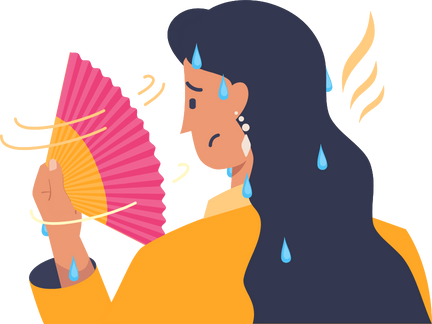
Menopausal Hot Flashes Research Study

Researchers at the University of Arizona are conducting a study on a plant-based supplement for menopausal hot flashes in women aged 40–65.

Fast Facts

Experience 5+ Hot Flashes Per Day

Women ages 40–65

Compensation Provided

Conducted in Tucson, AZ

Study Background

The HFRelief study is exploring a natural, non-hormonal alternative to alleviate the frequency and severity of menopausal hot flashes.

Hot flashes affect millions of women during menopause, and many are seeking effective, natural treatments that don’t involve hormone therapy. The HFRelief study, led by Women’s Health researchers at the University of Arizona Center for Innovation in Brain Science, is testing the effectiveness of PhytoSERM—a natural, plant-based supplement containing phytoestrogens—to help reduce hot flashes. Funded by the National Institute on Aging, this phase 2 clinical trial aims to test an investigational accessible solution for those who experience five or more hot flashes per day.

Participants in this study will receive PhytoSERM for at least 3 months, and those initially placed in the placebo group will receive the supplement during the second phase of the study. The trial includes eight in-person visits over a 7–8 month period, with procedures such as physical exams, memory tests, lab work, and a free DEXA scan to assess bone density and body composition.

Study Background

The HFRelief study is exploring a natural, non-hormonal alternative to alleviate the frequency and severity of menopausal hot flashes.

Hot flashes affect millions of women during menopause, and many are seeking effective, natural treatments that don’t involve hormone therapy. The HFRelief study, led by Women’s Health researchers at the University of Arizona Center for Innovation in Brain Science, is testing the effectiveness of PhytoSERM—a natural, plant-based supplement containing phytoestrogens—to help reduce hot flashes. Funded by the National Institute on Aging, this phase 2 clinical trial aims to test an investigational accessible solution for those who experience five or more hot flashes per day.

Participants in this study will receive PhytoSERM for at least 3 months, and those initially placed in the placebo group will receive the supplement during the second phase of the study. The trial includes eight in-person visits over a 7–8 month period, with procedures such as physical exams, memory tests, lab work, and a free DEXA scan to assess bone density and body composition.

Additional information

The HFRelief study is being conducted to test the safety and effectiveness of PhytoSERM, a plant-based nutritional supplement, for reducing hot flashes in peri- and postmenopausal women who are not using hormone therapy. Researchers are exploring non-hormonal, natural alternatives for symptom relief.

You may qualify for this study if you meet the following criteria.

Inclusion Criteria:

  • Women ages 40–65
  • Experience 5+ hot flashes per day
  • Do not use estrogen (hormonal therapy), unless willing to discontinue use for the study
  • Fluent in English or Spanish
  • No unstable conditions
  • Currently going through menopause or have already gone through it

If you qualify, you will participate in a 7–8-month study that involves eight visits to the University of Arizona in Tucson. During these visits, you’ll receive health assessments including physical exams, memory and mood tests, a DEXA scan, and lab tests. You’ll be randomly assigned to receive either PhytoSERM or a placebo for 12 weeks; after that, everyone receives PhytoSERM for an additional 12 weeks.


Yes! Participants will receive up to $500, divided into three payments after enrollment milestones, plus $25 for transportation per visit. You’ll also receive free blood work, a free DEXA scan, and a free consultation with the study team. Participants will have access to most of their health assessment results throughout the study.

There is no cost for you to participate in our research study.

An Institutional Review Board (IRB) for human subjects research at the University of Arizona reviewed and approved this research project, according to applicable state and federal regulations and university policies designed to protect the rights and welfare of participants in research.