Compensated Bipolar Disorder Research Study
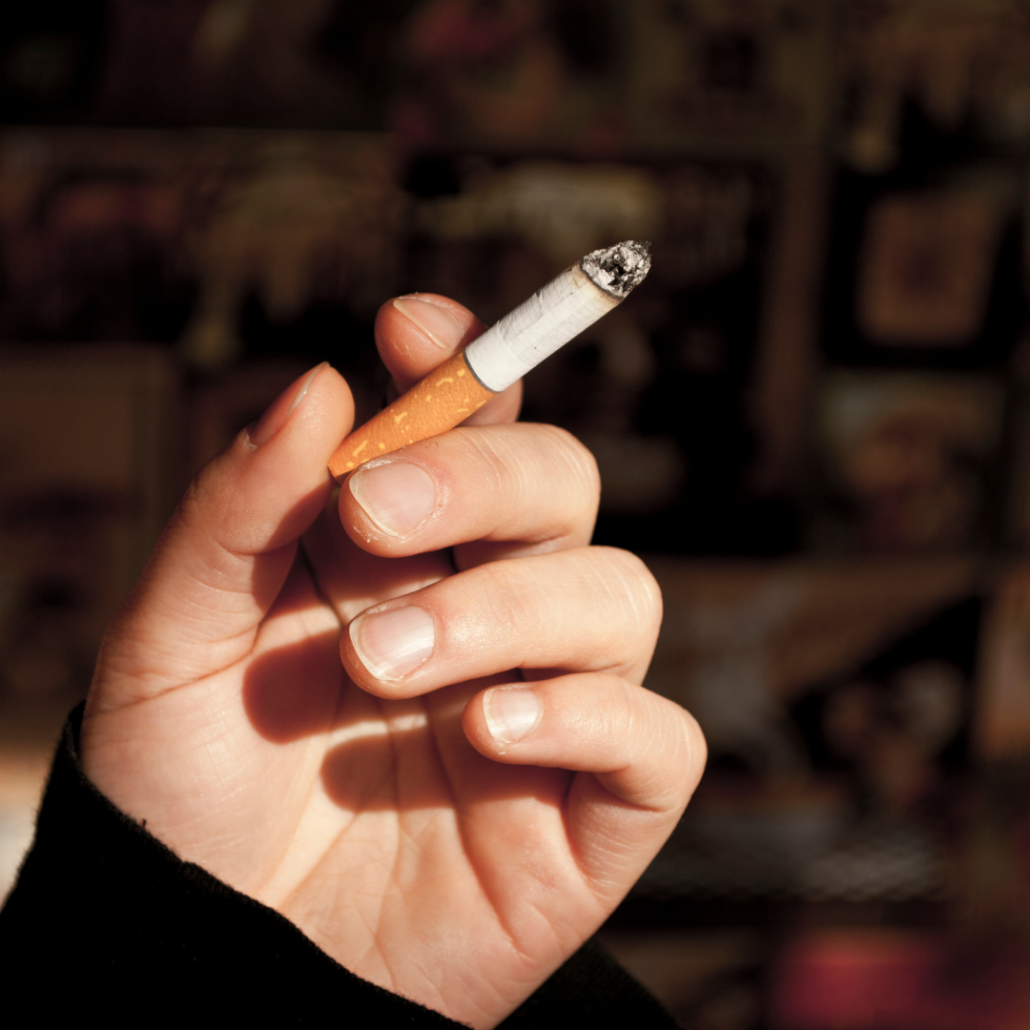
Researchers at the The University of California, Irvine Medical Center (UCIMC) want to learn more about how cigarette smoking affects the thinking and behavior of people with bipolar disorder.
Fast Facts

History of Bipolar Disorder

18-65 Years Old

Smoke Cigarettes or Vape Nicotine

Compensation Provided

Conducted in Orange, CA
Study Background
Smoking rates are two to three times higher among people with bipolar disorder compared to the general population, making them susceptible to associated adverse health outcomes as well as mortality at an earlier age.
Our study aims to understand how smoking impacts brain function and cognitive abilities (memory, attention, etc.) in individuals diagnosed with bipolar disorder.

Study Background
Smoking rates are two to three times higher among people with bipolar disorder compared to the general population, making them susceptible to associated adverse health outcomes as well as mortality at an earlier age.
Our study aims to understand how smoking impacts brain function and cognitive abilities (memory, attention, etc.) in individuals diagnosed with bipolar disorder.
Additional Information
Our study aims to understand the impact of smoking on brain function in individuals with bipolar disorder.
Your may be eligible for this study if you meet the following criteria.
Inclusion Criteria:
- Diagnosed with bipolar disorder (BD)
- Smoke cigarettes or vape nicotine
- Ages 18-65
Exclusion Criteria:
- History of severe head injury (e.g., traumatic brain injury, stroke, epilepsy, etc.)
- Seizure disorder diagnosis
- Hearing problems that prevent listening to the stimuli presented
The study visit involves:
- One visit to UCI Medical Center in Orange, CA, lasting about 4 hours
- Signing consent forms
- Completing interviews/questionnaires about symptoms, medical history, smoking status
- Carbon monoxide (CO) breath measurement
- Recording brain responses to auditory stimuli using an electroencephalogram (EEG)
- Brief neurocognitive testing of memory, attention, reaction times
- Collection of 26 ml of blood (approximately 2 tablespoons) for investigation of genetic variants
Participants are compensated $150 for their time.
There is no cost for you to participate in our research study.