COVID & Sleep Research Study

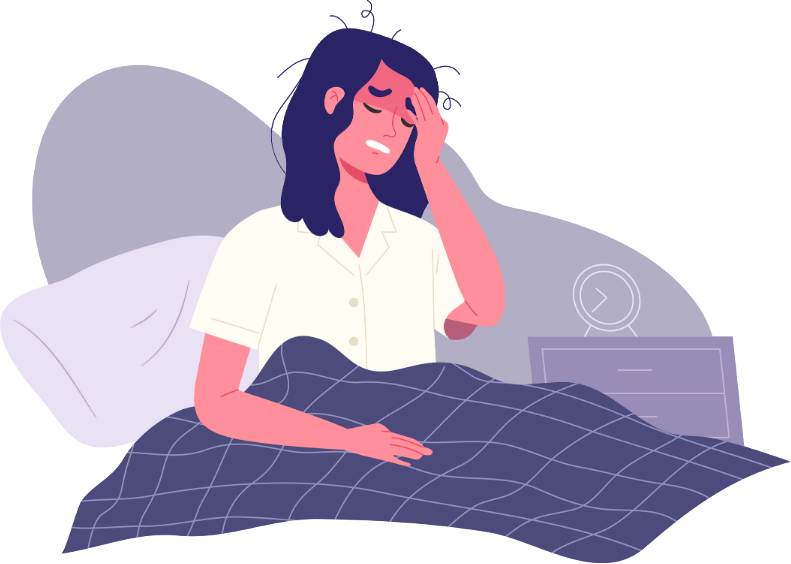
Researchers at the University of Arizona are conducting a study on sleep-related disorders in people with long COVID to evaluate different treatment options.

Fast Facts

New or Worsening Sleep-Related Symptoms

Previously Had COVID-19

Compensation

Provided

Conducted in

Tucson, AZ

Study Background

Sleep disturbances after COVID-19 are real—and researchers want to find answers.

Many people who have recovered from COVID-19 continue to experience sleep-related symptoms like excessive daytime sleepiness, insomnia, or problems with their internal body clock. These symptoms can seriously affect daily life and well-being. The RECOVER-SLEEP study, funded by the National Institutes of Health (NIH), aims to identify effective treatments for these persistent sleep issues.

In this study, researchers are testing wake-promoting medications, light therapy, and melatonin in people with long COVID who have sleep disturbances. Participation involves taking study medication/performing light therapy, completing questionnaires, wearing a FitBit activity tracker, undergoing a home sleep test, and providing blood and stool samples. This research will help determine which treatment approaches work best for improving sleep health in long COVID patients.

Study Background

Sleep disturbances after COVID-19 are real—and researchers want to find answers.

Many people who have recovered from COVID-19 continue to experience sleep-related symptoms like excessive daytime sleepiness, insomnia, or problems with their internal body clock. These symptoms can seriously affect daily life and well-being. The RECOVER-SLEEP study, funded by the National Institutes of Health (NIH), aims to identify effective treatments for these persistent sleep issues.

In this study, researchers are testing wake-promoting medications, light therapy, and melatonin in people with long COVID who have sleep disturbances. Participation involves taking study medication/performing light therapy, completing questionnaires, wearing a FitBit activity tracker, undergoing a home sleep test, and providing blood and stool samples. This research will help determine which treatment approaches work best for improving sleep health in long COVID patients.

Additional Information

This study is being conducted to find effective treatments for sleep-related problems—such as excessive daytime sleepiness, insomnia, or circadian rhythm disruptions—that began or worsened after a COVID-19 infection.

You may be eligible for this study if you meet the following criteria.

Inclusion Criteria:

  • Previously had COVID-19
  • New or worsening sleep-related symptoms (since COVID infection) such as excessive sleepiness, insomnia, problems with sleep/wake cycle, etc.
  • Ages 18+

Exclusion Criteria:

  • Currently working a rotating or night shift
  • Untreated moderate or severe sleep apnea (unless willing to be treated during the study)
  • Narcolepsy
  • Illicit substance use
  • Severe mental health disorder (such as schizophrenia, biopolar, etc)
  • Currently pregnant or breastfeeding

Eligible participants will be randomly assigned to receive one or more of the following, depending on their sleep symptoms: wake-promoting medication, light therapy, melatonin, or placebo. Over about 3 months, participants will complete a combination of in-person and phone visits (2–5 clinic visits in Tucson), take part in a home sleep study, fill out questionnaires, wear a FitBit, and provide two blood and two stool samples. 

If the home sleep test shows you have sleep apnea, treatment can be provided by the study.

Participants can receive up to $1,000 for completing all study milestones. Free parking is provided during clinic visits. Transportation via taxi is available for in-person visits if needed. Participants will receive a FitBit activity tracker (yours to keep) and may also keep a table lamp (used for light therapy) and receive some clinical lab results, depending on their assigned treatment group.

There is no cost for you to participate in our research study.