
Balance & Walking Research Study
Researchers are conducting a study on a wearable device to improve balance and walking for individuals with peripheral neuropathy.
Fast Facts

Ages 55+ & Diagnosed with Nerve Damage in Your Arms or Legs (Also Called Peripheral Neuropathy)

Experiencing Walking or Balance Issues (e.g., Feeling Unsteady, Stumbling, or Needing Support)

Compensation
Provided
Study Background
Can Walkasins®, a wearable device, help improve walking and balance for older adults with peripheral neuropathy?
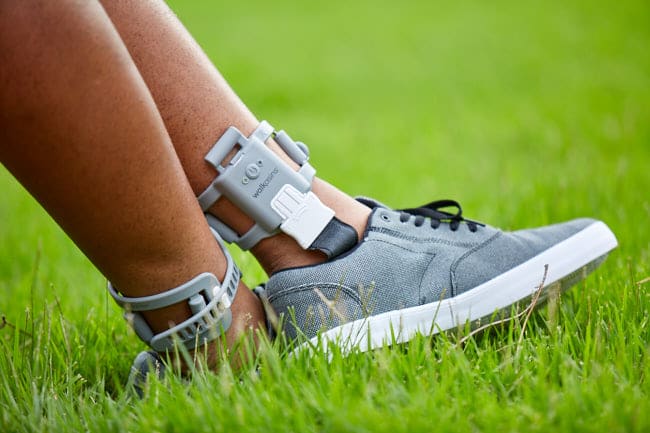
Peripheral neuropathy can lead to numbness and reduced sensation in the feet, often causing problems with walking and balance. This study is testing a wearable device called Walkasins, which replaces specific sensory information for maintaining balance that is absent in persons with peripheral neuropathy. The Haptic Module is worn just above the ankle. It analyzes foot pressure information from the connected Receptor Sole during standing and walking. The Haptic Module provides Balance Signals which communicate foot contact information to the brain.
The goal is to understand whether using this device can improve mobility and confidence during everyday walking in older adults who have gait and balance issues due to peripheral neuropathy. Participants will be followed for one year to assess changes in walking ability, physical function, and overall well-being.
Study Background
Can Walkasins®, a wearable device, help improve walking and balance for older adults with peripheral neuropathy?
Peripheral neuropathy can lead to numbness and reduced sensation in the feet, often causing problems with walking and balance. This study is testing a wearable device called Walkasins, which replaces specific sensory information for maintaining balance that is absent in persons with peripheral neuropathy. The Haptic Module is worn just above the ankle. It analyzes foot pressure information from the connected Receptor Sole during standing and walking. The Haptic Module provides Balance Signals which communicate foot contact information to the brain.
The goal is to understand whether using this device can improve mobility and confidence during everyday walking in older adults who have gait and balance issues due to peripheral neuropathy. Participants will be followed for one year to assess changes in walking ability, physical function, and overall well-being.
Additional Information
This study is being done to see if a wearable device can help improve balance and walking in people with peripheral neuropathy by replacing part of the function of the sensory nerves.
You may be eligible for this study if you meet the following criteria. (A complete list of eligibility criteria is available on ClinicalTrials.gov, study ID NCT06959277.)
Inclusion Criteria:
- Diagnosed with peripheral neuropathy (nerve damage in your legs)
- Experiencing walking or balance issues (e.g., feeling unsteady, stumbling, or needing support)
- Ages 55+
- If nerve damage is due to chemotherapy, finished chemotherapy at least 1 year ago
Exclusion Criteria:
- Diagnosed with a blood clot in the leg (such as deep vein thrombosis or DVT)
- Diagnosed with severe peripheral vascular disease (poor blood flow to legs or arms)
- Diagnosed with any other neurological or joint/muscle problems that affect ability to walk
If eligible, you will attend four or five in-person visits and take part in periodic phone visits over the course of one year. The in-person visits include walking and standing tests as well as questionnaires about your balance, daily life, and well-being. You may be placed in a group that uses the device right away or a group that begins using it later in the study.
Yes, participants are compensated for their time. Payment depends on the number of visits completed and your study group, with total compensation ranging from $125 to $150.
There is no cost for you to participate in our research study.