
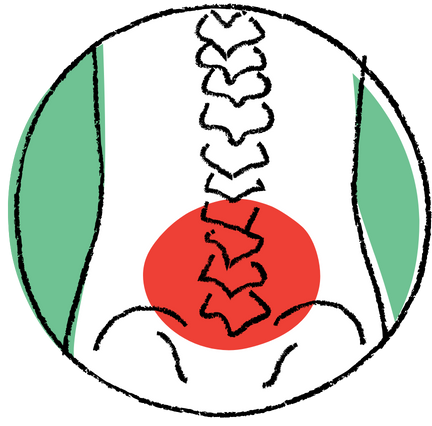
Psilocybin for Chronic Low Back Pain Study

Researchers at Stanford Medicine, UCSF, and UC Berkeley are conducting a study on the use of psilocybin therapy for chronic low back pain.

Fast Facts

Ages 25-80 with Chronic Lower Back Pain for the Past 3 Months

Have Attempted Treatment for Chronic Lower Back Pain (e.g., Pain Medication, Steroid Injections, Physical Therapy)

Compensation

Provided

Conducted in

Palo Alto and San Francisco, CA
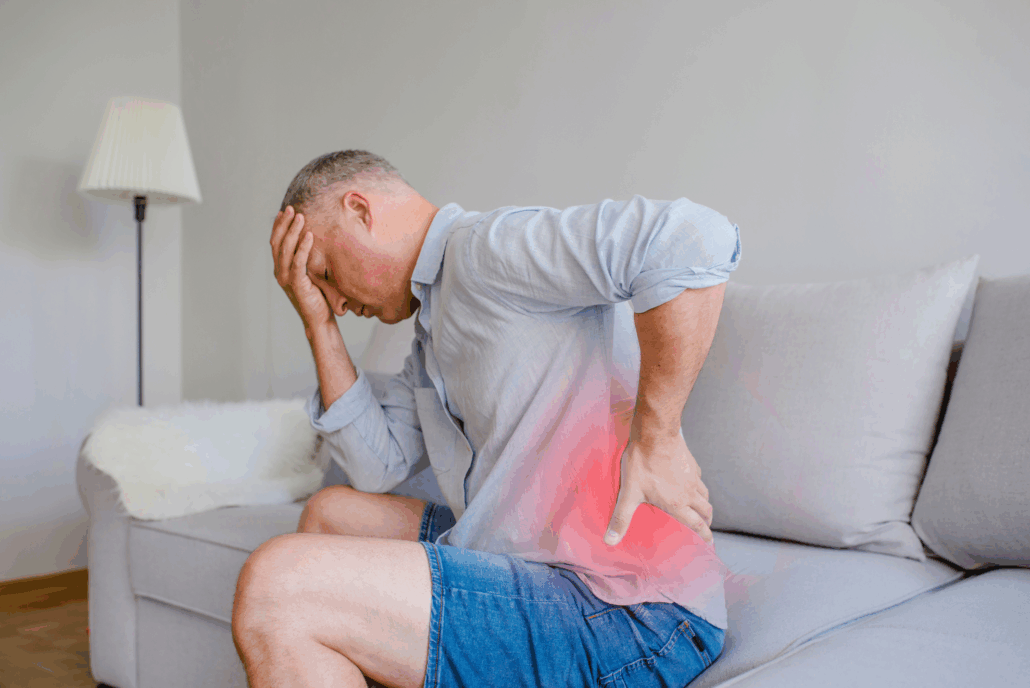
Study Background

This study is testing whether psilocybin therapy, combined with supportive care, can help people better cope with chronic low back pain.

Chronic low back pain affects millions of people and is often difficult to treat with traditional approaches. Psilocybin is a naturally occurring compound that can temporarily change perception, mood, and thought processes. Early research suggests that, when given in a safe and supportive setting, psilocybin may help people manage chronic pain conditions.

In this study, participants will take a single dose of psilocybin while under the care of two trained therapists, who will provide preparation and follow-up support before and after the dosing session. The goal is to see whether this combination of psilocybin and therapy can reduce the impact of back pain and improve overall well-being.


For more information or if you have any questions, contact Anna Payton, Clinical Research Coordinator: (650)724-5157 | psychedelicstudies@stanford.edu

Protocol Director: Dr. Boris Heifets, MD, PhD, Dept of Anesthesia, Perioperative & Pain Medicine, Stanford University

For complaints, concerns, or participant’s right questions, contact 1-866-680-2906.

Study Background

This study is testing whether psilocybin therapy, combined with supportive care, can help people better cope with chronic low back pain.

Chronic low back pain affects millions of people and is often difficult to treat with traditional approaches. Psilocybin is a naturally occurring compound that can temporarily change perception, mood, and thought processes. Early research suggests that, when given in a safe and supportive setting, psilocybin may help people manage chronic pain conditions.

In this study, participants will take a single dose of psilocybin while under the care of two trained therapists, who will provide preparation and follow-up support before and after the dosing session. The goal is to see whether this combination of psilocybin and therapy can reduce the impact of back pain and improve overall well-being.


For more information or if you have any questions, contact Anna Payton, Clinical Research Coordinator: (650)724-5157 | psychedelicstudies@stanford.edu

Protocol Director: Dr. Boris Heifets, MD, PhD, Dept of Anesthesia, Perioperative & Pain Medicine, Stanford University

For complaints, concerns, or participant’s right questions, contact 1-866-680-2906.

Additional Information

This study is being done to explore whether psilocybin therapy, combined with guided support, can help people with chronic low back pain manage their symptoms more effectively.

You may be eligible for this study if you meet the following criteria.

Inclusion Criteria:

  • Adults ages 25-80 with chronic lower back pain
  • Have attempted treatment for chronic lower back pain (e.g., pain medication, steroid injections, physical therapy)
  • Experienced chronic lower back pain for at least 3 months
  • Able to travel to Stanford (Palo Alto) and UCSF (San Francisco)

If you join, you’ll be in the study for about 16 weeks, with a total commitment of around 37 hours. Most visits are done remotely by Zoom, but there are 5 in-person visits at Stanford (Palo Alto) and UCSF (San Francisco). You’ll work with two trained therapists throughout the study. They’ll guide you through preparation sessions, be with you during the psilocybin dosing day, and support you afterward with integration sessions. During the study, you’ll receive up to 30 mg of psilocybin under professional supervision.

Participants will receive a $175 gift card for completing the screening session at Stanford and an additional $150 gift card for completing the follow-up session 30 days after dosing.

There is no cost for you to participate in our research study.

The Stanford study team has engaged BuildClinical to help recruit and screen potential subjects for this research.

The Stanford study team has engaged BuildClinical to help recruit and screen potential subjects for this research.