

Youth Depression Research Study

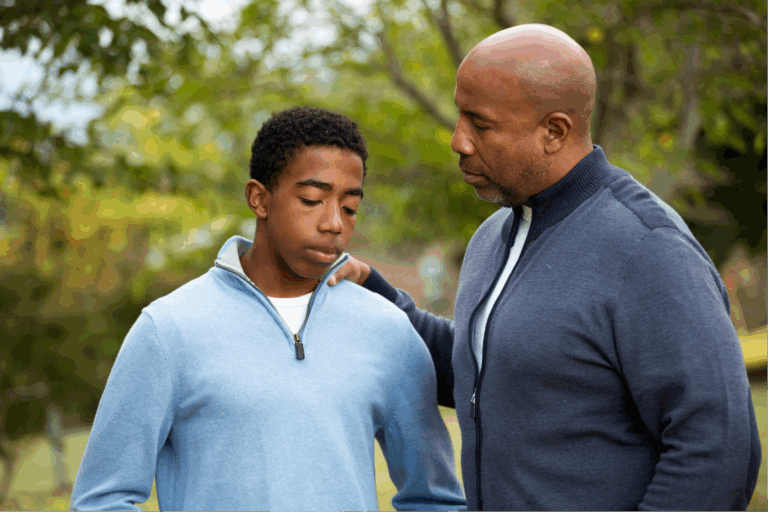
Researchers at Emory University are conducting a study on Behavioral Activation therapy for adolescents with depression.

Fast Facts

Teen Feeling Down, Sad, Irritable, or Losing Interest in Things Usually Enjoyed

15-17

Years Old

Compensation Provided

Conducted in
Atlanta, GA
Study Background

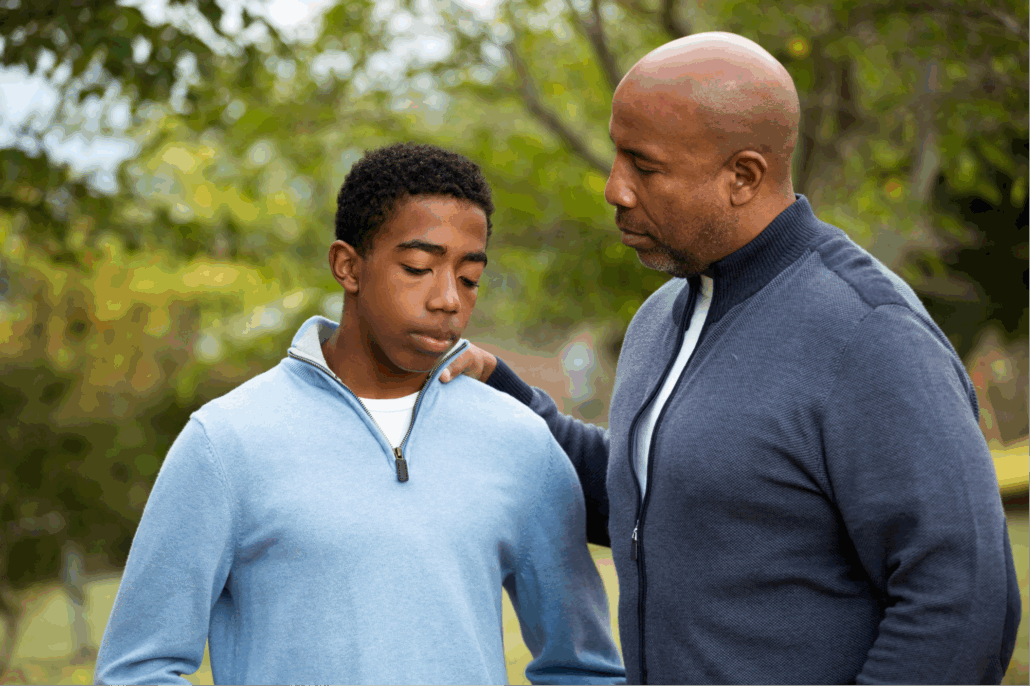
This study is testing a form of talk therapy called Behavioral Activation (BA) to better understand how it helps teens with depression.

Depression can affect how teens think, feel, and engage in daily life. Behavioral Activation is a type of therapy that focuses on increasing enjoyable and meaningful activities to improve mood and motivation. Researchers at Emory want to learn more about how this therapy works in the brain and behavior of adolescents.

As part of this study, teens will receive 16 weeks of free Behavioral Activation therapy provided virtually by Emory Child and Adolescent Mood Program (CAMP) clinicians. The study also includes brain scans, surveys, and study visits to help researchers understand how therapy affects both mood and brain function.

Study Background

This study is testing a form of talk therapy called Behavioral Activation (BA) to better understand how it helps teens with depression.

Depression can affect how teens think, feel, and engage in daily life. Behavioral Activation is a type of therapy that focuses on increasing enjoyable and meaningful activities to improve mood and motivation. Researchers at Emory want to learn more about how this therapy works in the brain and behavior of adolescents.

As part of this study, teens will receive 16 weeks of free Behavioral Activation therapy provided virtually by Emory Child and Adolescent Mood Program (CAMP) clinicians. The study also includes brain scans, surveys, and study visits to help researchers understand how therapy affects both mood and brain function.

Additional Information

Researchers at Emory University want to learn how Behavioral Activation therapy works in the brain and in daily life, and to see which teens may benefit the most.

You may be eligible for this study if you meet the following criteria.

Inclusion Criteria:

  • Ages 15-17
  • Feeling down, sad, irritable, or losing interest in things usually enjoyed
  • Not currently taking psychotropic medications (e.g., antidepressants like fluoxetine, antipsychotics like risperidone, or anti-anxiety medications like lorazepam)
  • Has a social security number
  • Is a fluent English speaker
  • Able to pass a drug screen at each in-person visit
  • Your teen will complete a virtual screening interview with you present.

  • If eligible, your teen will attend their first brain scan (fMRI) at Emory University.

  • They will begin 16 weeks of weekly virtual therapy with a CAMP-approved clinician.

  • Throughout the study, your teen will complete:

    • 5 in-person brain scan visits at Emory

    • 7 virtual study visits

    • Up to 2 assessment phone calls

    • Daily cellphone surveys for one week prior to each in-person visit

    • 16 weeks of virtual talk therapy

Participants can earn compensation for participating in all study activities. Payments are provided throughout the study after each activity is completed. Snacks and water are available at all in-person visits. Rideshare reimbursement is available if needed and parking at in person visits is at no cost.

There is no cost for you to participate in our research study.