
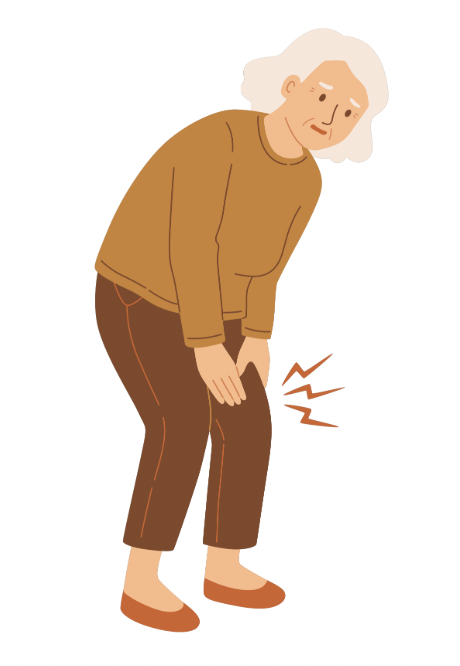

Chronic Pain Paid Research Study

Researchers at the University of Rochester are conducting a study in adults 50 and older to better understand chronic nerve pain that has persisted for more than a year and how it affects the brain.

Fast Facts

Experience pain in the face, arms, hands, legs, or feet, or pain that resulted from shingles or chemotherapy for a non-cancer condition

Adults 50+

Years Old

Compensation

Provided up to $204

Conducted in

Rochester, NY

Study Background

Researchers at the University of Rochester are conducting a study in adults 50 and older to understand chronic nerve pain, how it develops, and how it affects the brain.

Chronic nerve pain caused by chemotherapy can affect motivation, energy, and how people experience everyday sensations and pleasures. These changes may be linked to alterations in the brain’s pain and reward pathways. This study aims to better understand how chronic nerve pain develops, how it affects the brain, and potential ways to improve quality of life for those living with long-term pain.

The findings from this study could help guide new approaches to treating chronic nerve pain and improving overall well-being.

Study Background

Researchers at the University of Rochester are conducting a study in adults 50 and older to understand chronic nerve pain, how it develops, and how it affects the brain.


Chronic nerve pain caused by chemotherapy can affect motivation, energy, and how people experience everyday sensations and pleasures. These changes may be linked to alterations in the brain’s pain and reward pathways. This study aims to better understand how chronic nerve pain develops, how it affects the brain, and potential ways to improve quality of life for those living with long-term pain.

The findings from this study could help guide new approaches to treating chronic nerve pain and improving overall well-being.

Additional Information

In this research study, we are trying to understand how chronic nerve pain develops and affects the brain. We aim to better understand changes in the brain’s pain and reward pathways in people with long-term nerve pain. Pain-related changes in motivation, energy, and enjoyment of everyday sensations may be linked to these brain pathways, inflammation in the body, and daily experiences, and we will measure all of these. We also want to explore ways to improve these symptoms. To do this, we are using neuroscience-guided approaches, including activities designed to target the brain circuits affected by chronic nerve pain.

You may be eligible for this study if you meet the following criteria:

Inclusion Criteria:

  • Adults 50 years or older
  • Experience pain in the face, arms, hands, legs, or feet, OR pain that resulted from shingles or chemotherapy for a non-cancer condition
  • Pain has persisted for more than one year
  • Pain severity rated 40 or higher on a 0–100 scale
  • Generally in good health

Exclusion Criteria:

  • Hyperthyroidism
  • History of brain surgery
  • History of traumatic brain injury (TBI)
  • Chronic joint, back, or muscle disorders (e.g., rheumatoid arthritis, ankylosing spondylitis, fibromyalgia)
  • Tumor(s) in the back or temporo-mandibular joint pain
  • Acute vertebral fractures
  • Unstable diabetes
  • Heart disease
  • Peripheral vascular disease
  • Chronic lung disease
  • Sleep apnea
  • Current use of asthma medication
  • Current use of corticosteroids
  • Daily use of opioids for more than 2 weeks in the past year
  • MRI contraindications (e.g., implants, pacemakers, claustrophobia)

All study visits are conducted in-person. The first visit includes completing computer surveys, playing computer games, and rating the intensity and pleasantness of various tastes and sensations. The second visit includes a 1-hour and 15-minute brain MRI scan and filling out surveys before and after the scan.

As a participant, you may receive up to $204.

There is no cost for you to participate in our research study.