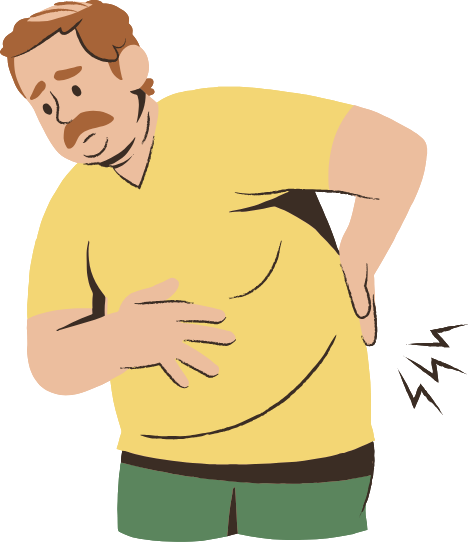
Chronic Low Back Pain and Depression Paid Research Study

Researchers at Johns Hopkins University School of Medicine are conducting a study to evaluate whether psilocybin, administered in a carefully prepared and supportive setting, may help people living with chronic low back pain and depression.

Fast Facts

Experiencing Chronic Low Back Pain

Feeling Down and Depressed

Compensation provided up to $514, travel reimbursement available

Conducted in Baltimore, MD

4-in person visits

Study Background

Chronic low back pain often occurs alongside depression and can be difficult to treat with current options.

Many people with chronic low back pain experience ongoing emotional distress that affects daily life. Research suggests that psilocybin, when given in a carefully prepared and supportive medical setting, may lead to lasting improvements in mood and emotional outlook. This study is examining whether those benefits may also apply to people living with chronic low back pain.

Study Background

Researchers at the Johns Hopkins University School of Medicine are conducting a research study to better understand whether a single dose of psilocybin, given in a supportive and controlled setting, may help people with chronic low back pain and co-occurring depression.

Chronic low back pain is the leading cause of disability worldwide and often occurs alongside depression, which can make pain more difficult to manage and reduce quality of life. Despite its widespread impact, many people with chronic low back pain do not experience sufficient relief from currently available treatments. This study aims to explore whether psilocybin can positively affect emotions, mood, and pain-related experiences in individuals with chronic low back pain.

Additional Information

This study, conducted by researchers at the Johns Hopkins University School of Medicine, is designed to better understand the psychological effects of psilocybin in people with chronic low back pain and co-occurring depression. The goal of this research is to examine whether psilocybin, combined with preparation and integration sessions, can influence emotional experiences related to chronic pain and mood. The findings from this study may help inform future approaches to treating chronic pain and depression.

Willing to attend 4 in-person visits over the course of 5-8 weeks in Baltimore, Maryland, including an all-day experimental drug session. Original: Able to come to 5 in-person visits over the course of 5-8 weeks in Baltimore, Maryland, including an all-day experimental drug session.

If you choose to participate, you will first complete one or more screening interviews to determine eligibility. Once enrolled, participation lasts about 5–8 weeks and includes four in-person visits in Baltimore, Maryland.

These visits consist of two preparation sessions, one all-day study drug session (6–8 hours) in which you will receive either psilocybin or methylphenidate in a supportive, closely monitored setting, and three integration sessions to help you reflect on your experience.

You may also be asked to complete questionnaires about your mood and pain. 

Eligible participants may receive up to $500 for travel reimbursement and up to $514 for completing study-related tasks.

There is no cost for you to participate in our research study.