Eat Move Think Study
Researchers at the University of North Carolina at Chapel Hill are conducting a study in older adults to better understand how diet and exercise may support brain health and cognition.
Fast Facts

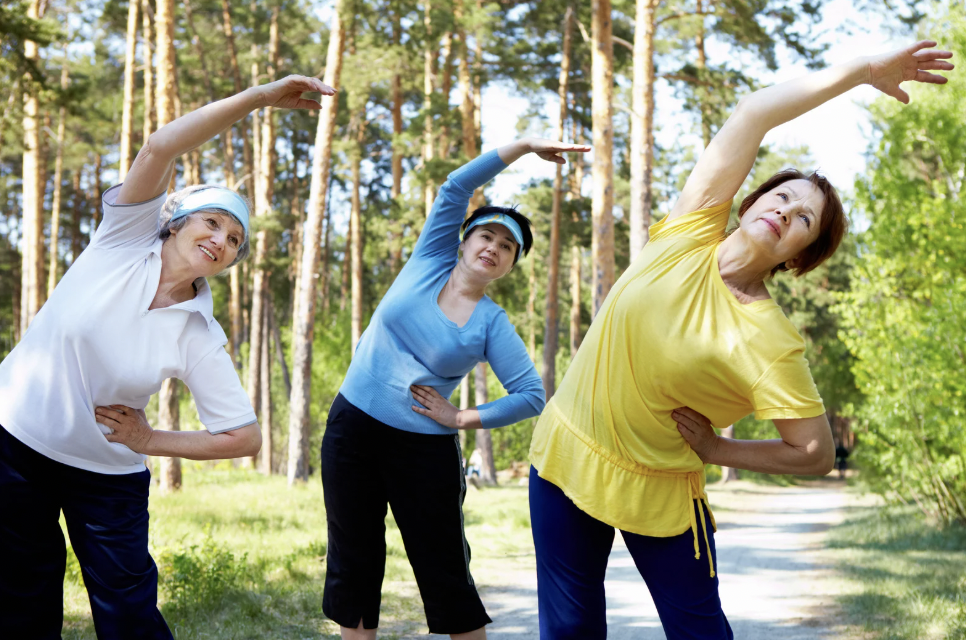
Capable of engaging in a 12-week exercise training program (brisk walking or stretching)

Ages 65 to 85
years old

Compensation up to $750

Conducted in
Kannapolis, NC
Study Background
UNC researchers are studying brain health and aging in older adults.
As people age, changes in brain health and cognition, such as memory, attention, and learning, can occur and may impact daily functioning and quality of life. These changes are influenced by factors including diet, physical activity, and the health of the gut microbiome, which is the complex community of microorganisms in the digestive system. This study aims to better understand how blueberry intake and regular exercise over a 12-week period may support brain health and cognitive function in older adults.
Ultimately, the findings from this research may help identify lifestyle strategies that promote healthy aging, preserve cognitive function, and improve overall quality of life.
Study Background
UNC researchers are studying brain health and aging in older adults.
As people age, changes in brain health and cognition, such as memory, attention, and learning, can occur and may impact daily functioning and quality of life. These changes are influenced by factors including diet, physical activity, and the health of the gut microbiome, which is the complex community of microorganisms in the digestive system. This study aims to better understand how blueberry intake and regular exercise over a 12-week period may support brain health and cognitive function in older adults.
Ultimately, the findings from this research may help identify lifestyle strategies that promote healthy aging, preserve cognitive function, and improve overall quality of life.
Additional Information
In this research study, we are trying to better understand how lifestyle factors such as diet and physical activity influence brain health and cognition in older adults. We aim to examine how blueberry intake and regular exercise affect processes like memory, attention, and learning, and how these changes may be related to the gut microbiome, the complex community of microorganisms in the digestive system. We will measure cognitive performance, physical activity, and biological markers to better understand these relationships. We also want to determine whether combining dietary changes with exercise can help support brain health and improve cognitive function as people age.
You may be eligible for this study if you meet the following criteria.
Inclusion Criteria:
- Ages 65–85 years old
- Generally healthy adults
- Physically inactive (less than 150 minutes of moderate exercise or less than 75 minutes of vigorous exercise per week)
- All chronic diseases stable for 6 months or longer
- Able to participate in a 12-week program of brisk walking or stretching
Exclusion Criteria:
- Diagnosis of Type I or Type 2 diabetes
- Chronic cardiovascular, metabolic, or renal conditions that are uncontrolled
- Current diagnosis of dementia
- Allergy to blueberries
- History of chest pain, dizziness, fainting, or other issues during physical activity
- Use of prescription or over-the-counter drugs that affect cognition
- Any other condition or medication that, in the opinion of the study clinician, would prevent safe participation
The entire study lasts 12 weeks. Once enrolled, the study involves:
In the lab: 3 visits at the North Carolina Research Campus in Kannapolis, NC. During these visits, you will complete assessments of cognitive function, physical health, and the gut microbiome. Each visit may include interviews, questionnaires, cognitive tasks, and collection of blood, urine, and stool samples.
At home: You will follow a 12-week program of brisk walking or stretching and consume a daily supplement of blueberry or placebo powder, which can be mixed into water, beverages, oatmeal, or yogurt. You will also track your activity and supplement intake throughout the study using simple logs or an app. Each exercise session lasts about 45 minutes, five times per week.

As a participant, you may receive up to $750, as well as a free exercise program, cognitive assessments, and opportunities for social interaction.
There is no cost for you to participate in our research study.