

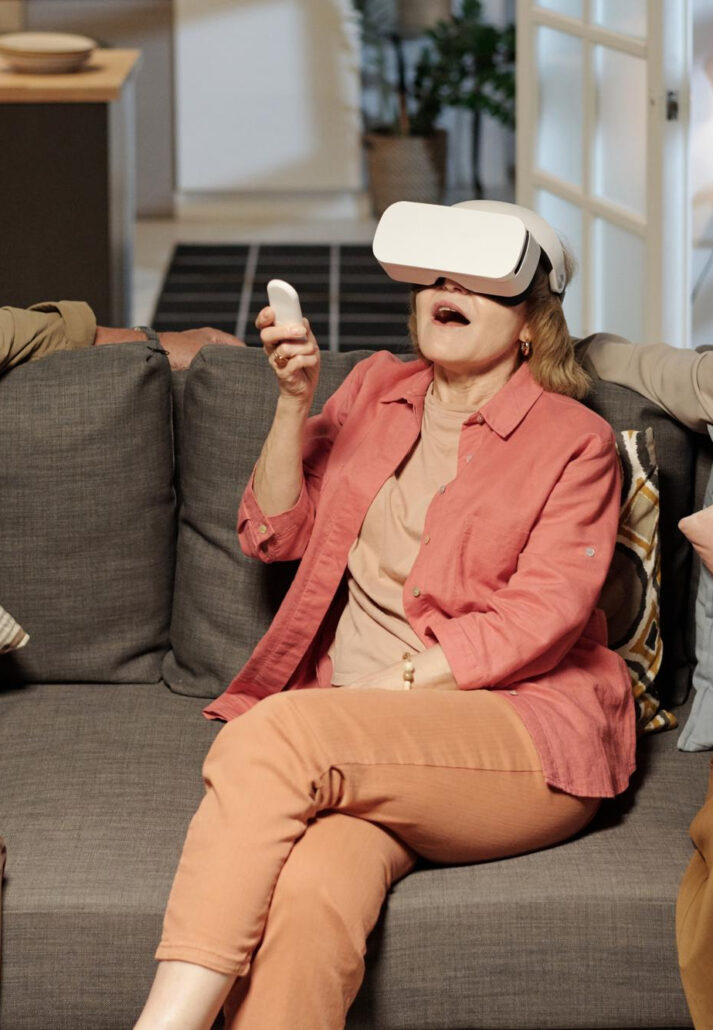

The purpose of this study is to see if stimulating the eyes and ears, using an investigational non-invasive virtual reality headset, can effectively change brain activity in both healthy individuals and those diagnosed with Alzheimer’s disease.

You may qualify for this study if you meet the following criteria.
Inclusion Criteria:
- 50-90 years old
- Diagnosis of mild Alzheimer’s disease
- Willing to sign informed consent document
- If you do not have the capacity to sign the informed consent, a legally authorized representative will be asked to provide surrogate consent.
- Willing to wear a watch-like device on the dominant wrist during study period
- Willing to do a blood draw
- Normal or corrected to normal vision
- Normal hearing
- Fluent in English
Exclusion Criteria:
- Taking a stable dose of acetylcholinesterase inhibitors (e.g., donepezil, rivastigmine and galantamine), Nmethyl-D-aspartate (NMDA) receptor antagonists (e.g., memantine), or monoclonal antibody medication
- History of seizure or epilepsy, including family history of seizure or epilepsy
- History of stroke
- History of narrow angle (acute angle) glaucoma
- Diagnosis of migraine headache
- History of alcohol use disorder within the past 2 years
- Current or past history of any neurological disorder other than dementia
- Use of hearing aid device(s)
- Any known blood pathogens or disorders
- Any clinically significant medical disorder, condition, disease, or clinically significant finding at screening that precludes your participation in study activities
- Pregnancy

Before the study begins, potential participants will complete the following intake activities:
- Written Informed consent (or legally authorized representative consent with participant assent, as applicable)
- Demographics (includes race, ethnicity, medical history, education level, and gender)
- Current Medication/Medication History
- Brief cognitive assessment
- Hearing and Vision tests
- Brief word reading assessment
- Inclusion/exclusion criterion validation
- Assessment to determine dominant hand
- Questionnaire to determine emotional state
- Blood Draw
Participants will then complete 2 days of experimental sessions. Each day will include:
- Experimental VR headset session
- Questionnaire
Finally, participants will wear a watch-like device in between the two experimental days.

Compensation is provided up to $150 for your time.
There is no cost for you to participate in the study.