
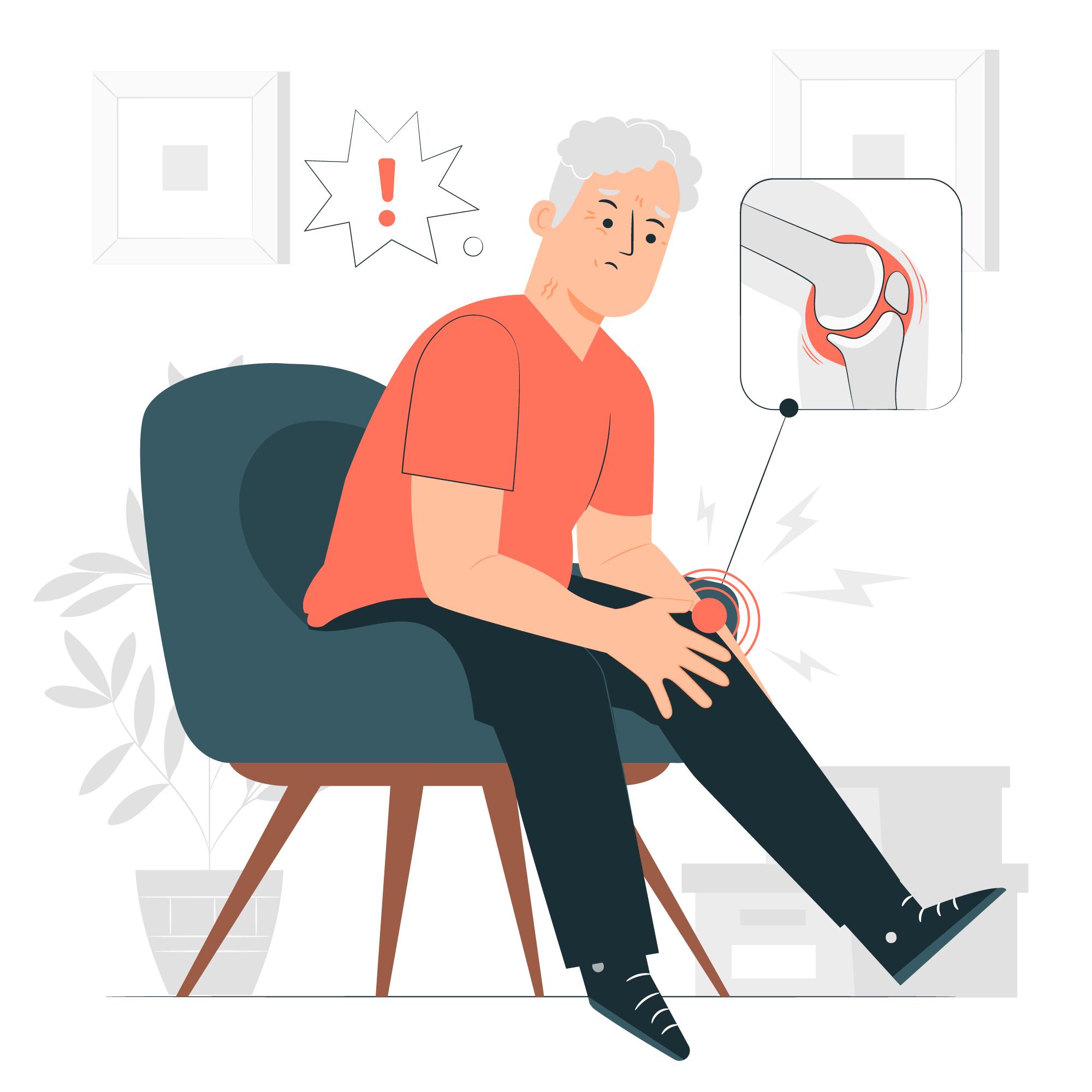


The purpose of this research study is to investigate whether a trial cell therapy made from a participant’s own cells can be directed to improve RA symptoms and manage the disease.

You may qualify for this study if you meet the following criteria.
Key Criteria:
- Ages 18-70
- Moderate to severe rheumatoid arthritis
- Unsuccessful prior treatments
- Diagnosed in adulthood
 Once enrolled, this study involves the following periods:
- Screening (about 4 weeks)
- Complete screening assessment for about 4 weeks to find out if you qualify for the trial
- Includes a joint biopsy (a needle is used to collect a sample of synovial fluid and tissue)
- Cell Therapy Preparation (about 6 weeks, but up to 6 months is allowed)
- Apheresis (blood is drawn into an approved apheresis machine to separate the cells used for the cell therapy)
- Pre-trial health assessment to confirm that it is safe to receive the cell therapy
- Cell Therapy and Trial Health Assessments (about 11 months)
- If you qualify, you will receive the cell therapy as a one-time IV infusion on Day 1 of the trial
- You will be asked to stay overnight at the trial clinic, so
the trial doctor and staff can monitor your health closely - Receive trial health assessments for 48 weeks (about
11 months) that include, but are not limited to,
the following:- Joint biopsy (a needle is used to collect a sample of
synovial fluid and tissue) - Vital signs, blood tests, questionnaires, urine tests,
heart tests, and physical exams
- Joint biopsy (a needle is used to collect a sample of
- Long-term Follow-up (up to 15 years)
- Continue to the long-term follow-up period for up to
15 years (you will receive more information from the trial staff)
- Continue to the long-term follow-up period for up to

Compensation is provided up to $2900 for your participation.
There is no cost for you to participate in this study.