
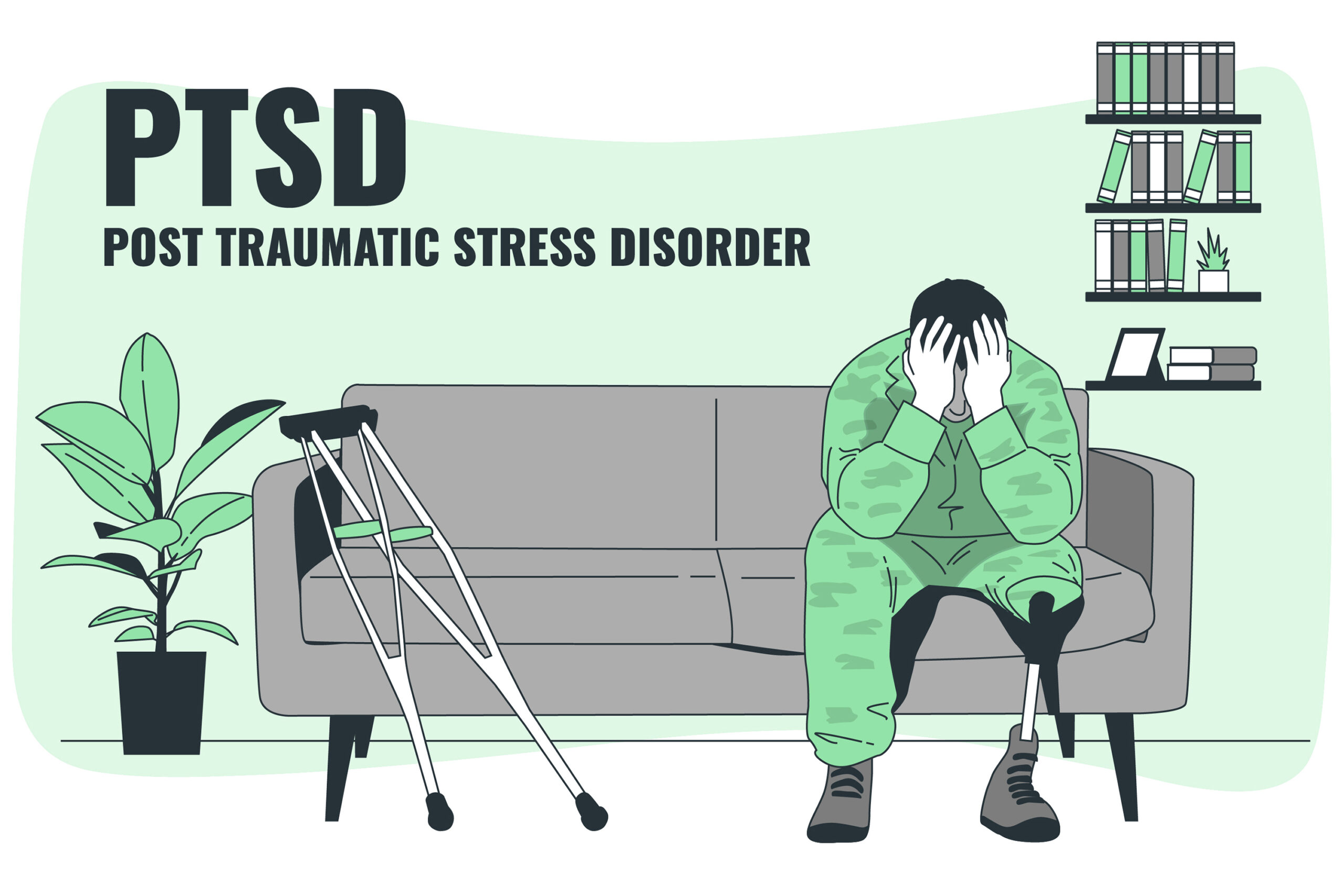


The purpose of this research study is to evaluate the effect of very brief exposure (VBE) to stimuli in the brains of combat veterans, in an effort to develop a behavioral treatment for PTSD.

You may qualify for this study if you meet the following criteria.
Key Criteria:
- U.S. combat veteran
- 18-65 years old
- Symptoms of PTSD
- Experienced a combat-based traumatic event in the past
- Able to complete an MRI
- Not pregnant

This research study is voluntary. Once enrolled, this study involves:
Visit 1: virtual interviews and assessments
Visit 2: in person interviews/assessments and MRI
Your total time commitment will be about 4 hours.

Compensation is provided up to $275 for your time.
There is no cost for you to participate in the study.
- Interviews: You could feel embarrassed or uncomfortable about questions that you are asked in the study. You can choose to skip or stop answering any questions that make you feel uncomfortable.
- MRI Scan: Lying still on the scanning table may be slightly uncomfortable. Sometimes people say that during the MRI scan, they feel a funny “tingling.” Some people feel nervous when they are inside the scanner because they do not like small spaces.
- Stimulus viewing: The stimuli that you will likely be able to see will be scenes from combat. You may experience some fear/anxiety at those times. At no point will you be in danger, and the fear/anxiety will pass shortly after.
- Confidentiality: As this study involves the use of your identifiable, personal information, there is a chance that a loss of confidentiality may occur. The researchers have procedures in place to lessen the possibility of this happening.
For further information, you can e-mail the study team at brainimaginglab@chla.usc.edu or call (323)361-6456.