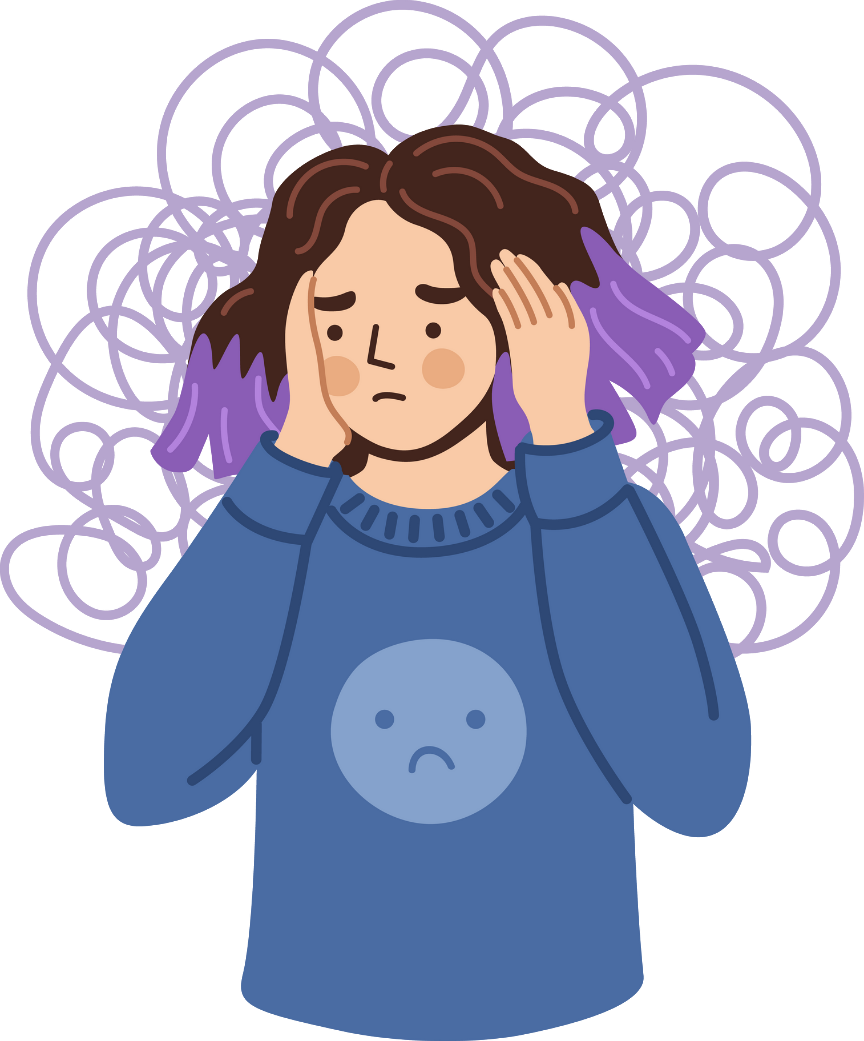

Teen Development Research Study
Researchers at Notre Dame and the University of Rochester are conducting a study on teen health and suicide prevention strategies for adolescents ages 13–17.
Fast Facts

Teens Aged 13-17 Experiencing at Least 2 of The Following: Difficulties Regulating Emotions, Loneliness, Depression/Anxiety, Non-Suicidal Self Injury, Substance Use, Impulsivity/Hyperactivity

Compensation
Provided

Conducted in
Rochester, NY

Study Background
This study is testing new ways to prevent suicide by supporting teens’ emotional health in their everyday lives.
Suicide is a growing public health concern in the United States, with rates rising over the past decade. Many current prevention efforts focus on teens who have already attempted or seriously considered suicide. But research shows that more than half of suicides occur during a first attempt. That’s why prevention strategies that start earlier — before a crisis — are urgently needed.
This study is exploring new approaches designed to fit into teens’ daily routines. By combining technology, peer connection, and brain-based stimulation, researchers hope to find effective tools that reduce emotional distress and lower risk factors for suicide. Even small improvements could help save thousands of lives over time.
Study Background
This study is testing new ways to prevent suicide by supporting teens’ emotional health in their everyday lives.
Suicide is a growing public health concern in the United States, with rates rising over the past decade. Many current prevention efforts focus on teens who have already attempted or seriously considered suicide. But research shows that more than half of suicides occur during a first attempt. That’s why prevention strategies that start earlier — before a crisis — are urgently needed.
This study is exploring new approaches designed to fit into teens’ daily routines. By combining technology, peer connection, and brain-based stimulation, researchers hope to find effective tools that reduce emotional distress and lower risk factors for suicide. Even small improvements could help save thousands of lives over time.
Additional Information
We want to learn how different strategies, such as peer support, wearable devices, and brain stimulation, may help improve teen emotional health and reduce suicide risk.
You may be eligible for this study if you meet the following criteria.
Inclusion Criteria:
- Ages 13-17
- Experience at least 2 of the following: difficulties regulating emotions, loneliness, depression/anxiety, non-suicidal self injury, substance use, impulsivity/hyperactivity
- Have an iPhone
- If female, not pregnant or breastfeeding
Exclusion Criteria:
- Diagnosis of autism or schizophrenia
- Epilepsy or history of seizures
- TMJ disorder, Bell’s palsy, impaired cranial nerve function, or facial pain
- Cardiac pacemaker, implanted defibrillator or other metallic implanted electronic device
- Diagnosis of bipolar disorder
- History of strokes or of concussion or other traumatic brain injury
Teens and one parent/guardian will attend three office visits over the course of one year (each about 2 hours long).
At visits, teens and parents will complete surveys, have a conversation while being video recorded, and use sensors that measure body responses.
Teens will also be interviewed about their thoughts and feelings.
Between visits, teens will use phone apps, wearable devices, and sometimes partner with another teen in the study. Teens will be randomly assigned to one of four study groups.
Teens can earn up to $220 over the course of the study, and parents can earn up to $150. Compensation is provided at each visit, and teens may receive additional incentives for completing surveys and returning study devices.
There is no cost for you to participate in our research study.