Trauma & Heart Health Research Study

Researchers at Massachusetts General Hospital are conducting a study to look at the impact of Cognitive Behavioral Therapy (CBT) on patients with a history of trauma, PTSD symptoms, and two or more cardiovascular risk factors.

Fast Facts

Experiencing Symptoms of PTSD

Cardiovascular Disease or Elevated Risk

Compensation Provided- Up to $400

Conducted in Massachusetts

Study Background

Can PTSD therapy reduce inflammation and the “fight-or-flight” response to lower the risk of heart and artery disease?

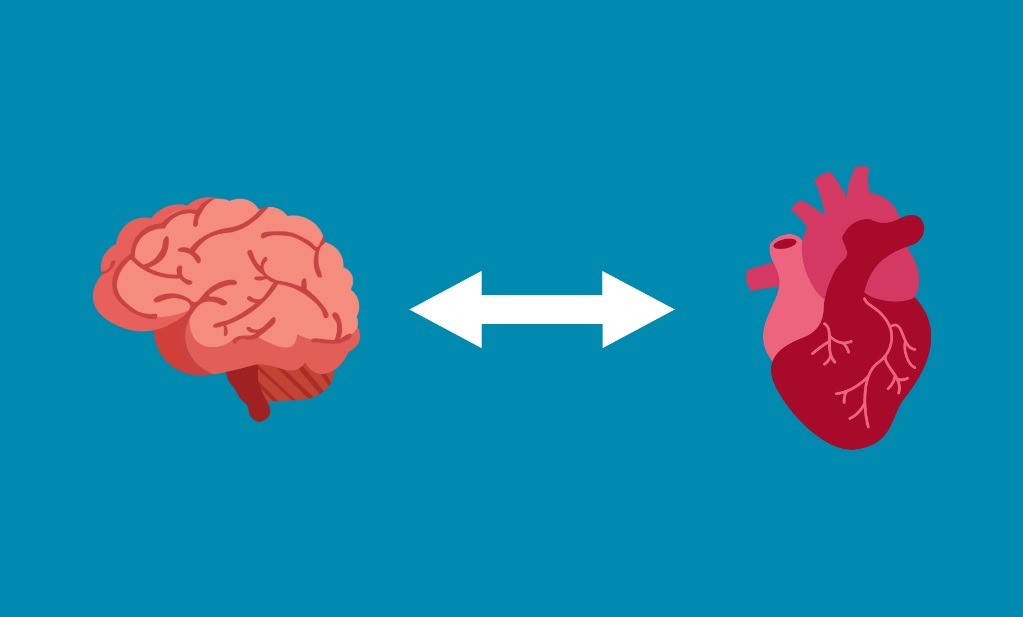
Individuals with post-traumatic stress disorder (PTSD) have a greater risk of cardiovascular disease. This is likely because PTSD alters the brain’s stress response, constantly sending you into a state of “fight-or-flight” and putting a strain on your heart and arteries.

In this study, we are evaluating the impact of cognitive processing therapy on the link between PTSD and cardiovascular disease. We think that individuals who are randomized to therapy will have beneficial changes in the brain that lead to reductions in the “fight-or-flight” response and inflammation, which will lead to reduced inflammation in the arteries.

This is a 16-week research study involving 2 in-person visits. Eventually, we hope that the findings of this study will be useful for reducing the risk of cardiovascular disease among individuals with PTSD.

Study Background

Can PTSD therapy reduce inflammation and the “fight-or-flight” response to lower the risk of heart and artery disease?

Individuals with posttraumatic stress disorder (PTSD) have a greater risk of cardiovascular disease. This is likely because PTSD alters the brain’s stress response, constantly sending you into a state of “fight-or-flight” and putting a strain on your heart and arteries.

In this study, we are evaluating the impact of cognitive processing therapy on the link between PTSD and cardiovascular disease. We think that individuals who are randomized to therapy will have beneficial changes in the brain that lead to reductions in the “fight-or-flight” response and inflammation, which will lead to reduced inflammation in the arteries.

This is a 16-week research study involving 2 in-person visits. Eventually, we hope that the findings of this study will be useful for reducing the risk of cardiovascular disease among individuals with PTSD.

Additional Information

The goal of this study is to investigate the impact of PTSD therapy, called cognitive processing therapy, on the link between post-traumatic stress disorder and cardiovascular disease. This is important because individuals with PTSD have a higher risk of cardiovascular disease, and we theorize that the risk can be lowered by reducing stress and inflammation in the arteries through therapy. We will look at the effect of this therapy on the brain using PET-MR imaging.

You may qualify for a study if you meet the following criteria.

Inclusion Criteria:

  • 18-65 years old
  • Experiencing symptoms of PTSD
  • Diagnosed with cardiovascular disease (CVD) (e.g., coronary artery disease, cerebrovascular disease, or peripheral arterial disease), or at elevated risk due to smoking, hypertension, hyperlipidemia, or diabetes
  • Fluent in English
  • Able to undergo an MRI
  • Live in Massachusetts

Exclusion Criteria:

  • Current diagnosis of neurological or systemic inflammatory disease
  • Diagnosed with chronic obstructive pulmonary disorder (COPD), other respiratory disorders, or uncontrolled asthma
  • Diagnosed with schizophrenia or bipolar disorder
  • Diagnosed with moderate/severe alcohol/substance use disorder
  • Currently in PTSD therapy or in breathwork practice
  • Unstable blood pressure or cardiac arrhythmia (irregular heart rhythm)
  • Psychiatric or cardiovascular medication change within the last month
  • Using certain CVD medications (e.g., beta-blockers, high-intensity statins, PCSK-9 inhibitors)
  • History of stroke, brain surgery, or seizure

Eligibility:

After an initial phone screen, a virtual consent visit will be scheduled. After consent, you will be scheduled for a virtual psychiatric assessment and further confirmation of eligibility.

Baseline:

If you are eligible, a baseline in-person visit will be scheduled. This includes:

  • lifestyle surveys
  • assessment of the “fight-or-flight” response
  • advanced imaging session to evaluate the brain, inflammatory tissues, and arteries

Intervention

In this phase of the study, you will be randomly assigned to one of these conditions:

  • 12 weeks of virtual cognitive processing therapy
  • a breathwork intervention
  • a waitlist

Follow-Up

Finally, you will complete a follow-up in-person visit that is identical to the baseline visit.

You will be compensated $150 for the first imaging session and $250 for the second imaging session, for a total of $400. Additionally, up to $50 will be provided to cover transportation or parking at MGH Charlestown Navy Yard for each of the two in-person visits.

There is no cost for you to participate in our research study.