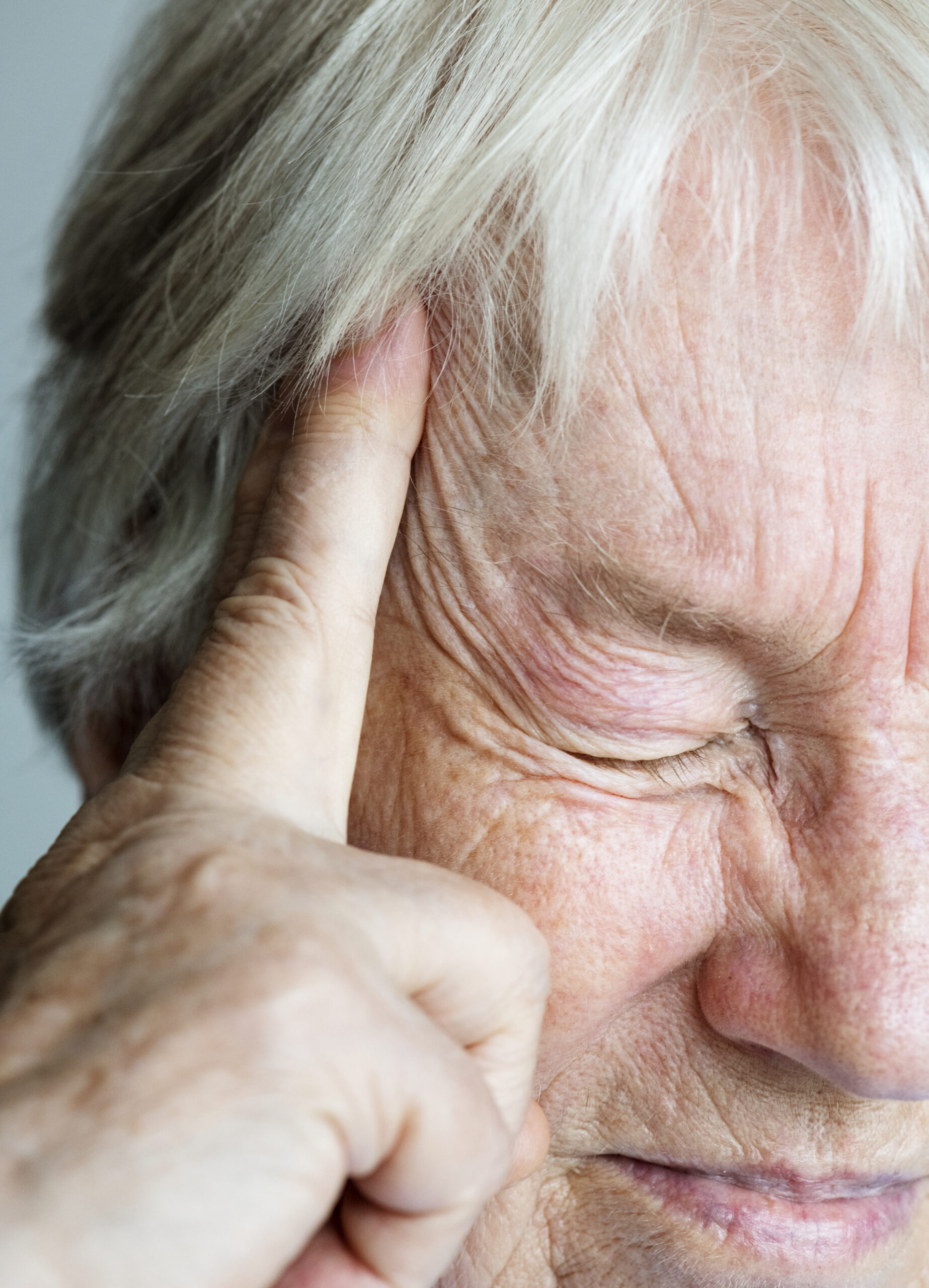
URMC researchers are trying to understand how brain mechanisms of chronic pain are affected by aging and sex.
Chronic pain is common and can be a serious burden on a person’s quality of life. It is typically very hard to treat. In this study, we are looking to identify brain biomarkers for different types of chronic pain, one of them being neuropathic pain. This may help doctors diagnose chronic pain earlier, which is key for prevention efforts, creating an early treatment plan, and ensuring the best possible long-term quality of life.
Patients with any of the following neuropathic pain conditions are needed for a research study: trigeminal neuralgia, post-surgical neuropathic pain (post-appendectomy or post-hernia repair surgery), or post-herpetic neuralgia.
Participation includes 1 brain MRI scan and 1 lab visit that will include computer-based questionnaires about your pain, mood, behavior, sleep, activity, and appetite.
Study Background
URMC researchers are trying to understand how brain mechanisms of chronic pain are affected by aging and sex.
Chronic pain is common and can be a serious burden on a person’s quality of life. It is typically very hard to treat. In this study, we are looking to identify brain biomarkers for different types of chronic pain, one of them being neuropathic pain. This may help doctors diagnose chronic pain earlier, which is key for prevention efforts, creating an early treatment plan, and ensuring the best possible long-term quality of life.
Patients with any of the following neuropathic pain conditions are needed for a research study: trigeminal neuralgia, post-surgical neuropathic pain (post-appendectomy or post-hernia repair surgery), or post-herpetic neuralgia.
Participation includes 1 brain MRI scan and 1 lab visit that will include computer-based questionnaires about your pain, mood, behavior, sleep, activity, and appetite.
You may qualify for this study if you meet the following criteria.
Inclusion Criteria:
Ages 50+
Origin of pain must be Neuropathic
Diagnosed with trigeminal neuralgia (TN), and/or post-surgical neuralgia (PSN), and/or or post-herpetic neuralgia (PHN) pain more than 1 year
Able to undergo an MRI (no metallic implants or significant claustrophobia)
No rheumatoid arthritis, ankylosing spondylitis, acute vertebral fractures, fibromyalgia, history of tumor(s) in the back, or temporo-mandibular joint pain
No current active involvement in litigation regarding pain or active disability claim or receiving workman’s compensation or seeking either as a result of pain
No significant other medical disease
No history of traumatic brain injury
No current substance dependence including alcohol
Not currently pregnant
No surgery within the past 3 months or history of any brain surgery including trigeminal nerve decompression surgery or history of bilateral knee replacement surgery
No health conditions with immunological components (e.g., self-identified as having hormone or immunological problems, cancer within the past 5 years, except basal cell carcinoma, hyperthyroidism) or undergoing or taking immunosuppressive therapies (e.g., asthma requiring regular use of medications, regular use of corticosteroids)
No major psychiatric disorder in the past 6 months
No history of daily use of opioids, including methadone and buprenorphine, for > 2 weeks in the past year
Once enrolled, this study involves 2 in-person visits, where each visit is for a duration of 2.5 hours:
Visit 1 includes filling out computer-based surveys that will assess your pain, playing computer games that will assess your cognitive functions, and rating the intensity and pleasantness of various tastes and sensations
Visit 2 includes a 1.5-hour brain MRI scan, filling out computer-based surveys pre-and-post scan, and a body composition test