Dietary Supplement Research Study

Researchers at the University of Oklahoma Health Sciences are conducting a study in adults ages 40-64 to examine the effects of a supplement called urolithin A on blood flow to the brain.

Fast Facts

Obese (BMI ≥ 30)

40-64 Years Old

Compensation Provided

Conducted in Oklahoma

Study Background

Urolithin A supplementation to improve endothelial and cerebrovascular function in middle-aged adults with obesity

This study involves taking a dietary supplement named urolithin A. About 1 in 4 people can naturally produce urolithin A when they eat certain foods like walnuts and pomegranate. We want to find out what effects the supplement has on cardiovascular and brain health.

For this study, you will be randomized to receive either the supplement or a placebo. Neither you or the study team will know which one you received. You will be asked to take the provided capsules every day for 4 weeks. You will take two capsules in the morning before breakfast and two capsules in the evening before dinner. Before and after you start taking the capsules, you will see us at the lab, where you will be asked questions about yourself and your physical activity and dietary habits, will be asked for a blood sample, and will have the blood vessels on your arms, hands, and in your brain examined using non-invasive methods. When you come back to the lab after 4 weeks, we will repeat all tests.

If you are 40-64 years old and have a BMI of at least 30, you could be eligible to participate. Help contribute to research on aging, diet, and brain function by joining our study today!


The University of Oklahoma is an equal opportunity institution. IRB #15561

Study Background

Urolithin A supplementation to improve endothelial and cerebrovascular function in middle-aged adults with obesity

This study involves taking a dietary supplement named urolithin A. About 1 in 4 people can naturally produce urolithin A when they eat certain foods like walnuts and pomegranate. We want to find out what effects the supplement has on cardiovascular and brain health.

For this study, you will be randomized to receive either the supplement or a placebo. Neither you or the study team will know which one you received. You will be asked to take the provided capsules every day for 4 weeks. You will take two capsules in the morning before breakfast and two capsules in the evening before dinner. Before and after you start taking the capsules, you will see us at the lab, where you will be asked questions about yourself and your physical activity and dietary habits, will be asked for a blood sample, and will have the blood vessels on your arms, hands, and in your brain examined using non-invasive methods. When you come back to the lab after 4 weeks, we will repeat all tests.

If you are 40-64 years old and have a BMI of at least 30, you could be eligible to participate. Help contribute to research on aging, diet, and brain function by joining our study today!


The University of Oklahoma is an equal opportunity institution. IRB #15561

Additional Information

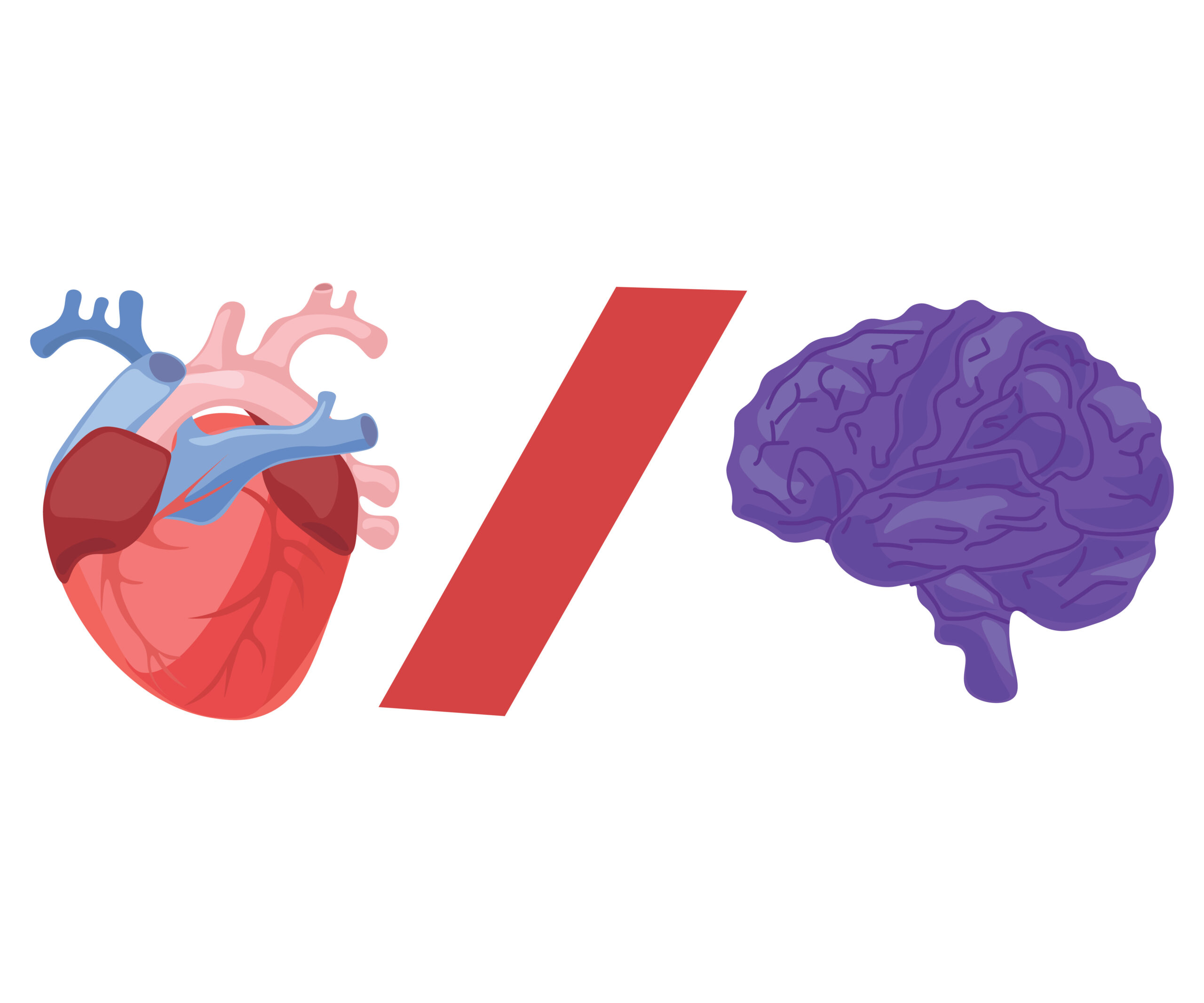
For some people, aging comes with a decrease in cognitive function. Research suggests that this may be especially true for people with obesity. We want to know whether urolithin A can help facilitate proper blood flow to the brain, which is essential for maintaining cognitive function. Eventually, our long-term goal is to develop food-derived therapeutical interventions for adults who are at risk of cognitive impairment later in life.

You may qualify for a study if you are 40-64 years old and have a BMI (body mass index) of at least 30.

If you take part in this study, you will be asked to take two softgel capsules of a dietary supplement or placebo twice a day for 4 weeks. You will be asked to record the number of capsules and time of day you took them electronically or in a paper diary. In addition, you will have the following tests and procedures at each study visit:

  • Questionnaires: we will collect information about you (age, marital status, race/ethnicity, education level, physical activity habits), your health (medications, past diagnoses, health conditions, allergies), and what you eat (foods, beverages, and supplements).
  • Anthropometric measures: we will measure your height, weight, body composition, and waist circumference.
  • Blood sample: we will collect up to 3 tablespoons (40 mL or 6 tubes) of blood from your arm.
  • Hand blood vessel measures: we will apply temporary pressure to your arm using a blood pressure cuff. The cuff will be inflated to pressure high enough to stop blood flow to your hand. The pressure will be held for 5 minutes. This is longer than the time a cuff is inflated when taking a blood pressure reading. After the pressure is released, we will measure how healthy your blood vessels are by shining a laser light on your hand and by using an ultrasound machine and oxygen monitor on your hand. We will also check your blood pressure and heart rate.
  • Brain blood vessel measures: you will wear a special cap and crown on your head and take a memory and concentration test on a computer while wearing it.

Each visit has a compensation gift card.

There is no cost for you to participate in our research study.