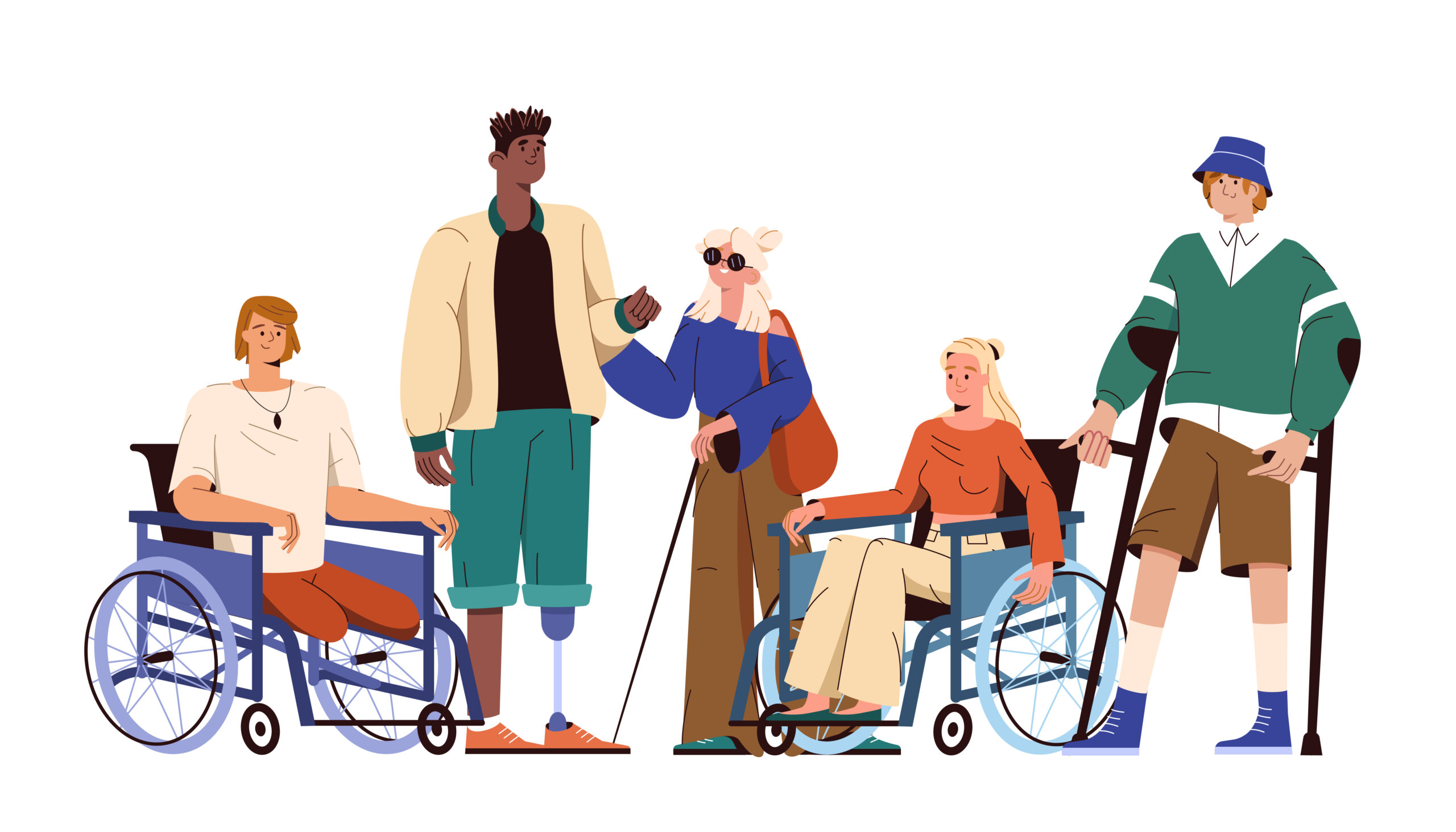
Researchers from The Ohio State University are conducting a study on telehealth-delivered cognitive behavioral therapy for suicide prevention in adults with physical disabilities.
Adults Who Have a Disability Impacting Vision, Speech, Hearing, Mobility, or Neurological Functioning (Such as Seizures)
Compensation Provided
Conducted Remotely
Study Background
This study is designed to improve access to effective, non-medication treatments for individuals with disabilities who are at risk for suicide.
People with physical disabilities often face significant barriers to accessing mental health services, especially in-person therapy. This study explores the effectiveness of Brief Cognitive Behavioral Therapy (BCBT), delivered via telehealth, to support individuals with disabilities who have experienced recent suicidal thoughts or behaviors. By conducting this study virtually, we hope to reach participants who might otherwise be unable to attend therapy due to mobility, transportation, or geographic challenges.
The goal is to better understand how telehealth-delivered therapy can reduce suicidal thoughts, decrease psychological distress, and improve overall emotional well-being in this underserved population. Your participation can help shape future interventions and make care more accessible for people across the country.
Study Background
This study is designed to improve access to effective, non-medication treatments for individuals with disabilities who are at risk for suicide.
People with physical disabilities often face significant barriers to accessing mental health services, especially in-person therapy. This study explores the effectiveness of Brief Cognitive Behavioral Therapy (BCBT), delivered via telehealth, to support individuals with disabilities who have experienced recent suicidal thoughts or behaviors. By conducting this study virtually, we hope to reach participants who might otherwise be unable to attend therapy due to mobility, transportation, or geographic challenges.
The goal is to better understand how telehealth-delivered therapy can reduce suicidal thoughts, decrease psychological distress, and improve overall emotional well-being in this underserved population. Your participation can help shape future interventions and make care more accessible for people across the country.
This study aims to improve psychological treatments for suicide risk in individuals with physical disabilities, especially for those who cannot attend in-person therapy.
Is this study for me?
You may qualify for this study if you meet the following criteria.
Inclusion Criteria:
Ages 18+
Have a disability impacting vision, speech, hearing, mobility, or neurological functioning (such as seizures)
Have had thoughts of suicide within the past week or have attempted suicide within the past month
Have an Internet-connected device with a webcam for weekly sessions with your assigned provider
What will happen if I participate in the study?
If you’re eligible, you’ll complete a 1.5-hour virtual screening interview. If you choose to enroll, you’ll attend approximately 12 weekly one-hour telehealth therapy sessions with a trained clinician. You’ll also complete a series of questionnaires and interviews to track your progress and provide feedback.
Will I be paid for being in this research study?
Yes. You can earn up to $175 for completing all study components. This includes $25 for the initial appointment and $50 each for three follow-up assessments during and after treatment.
Will it cost me anything to participate in this study?
There is no cost for you to participate in our research study.