

Anxiety Research Study

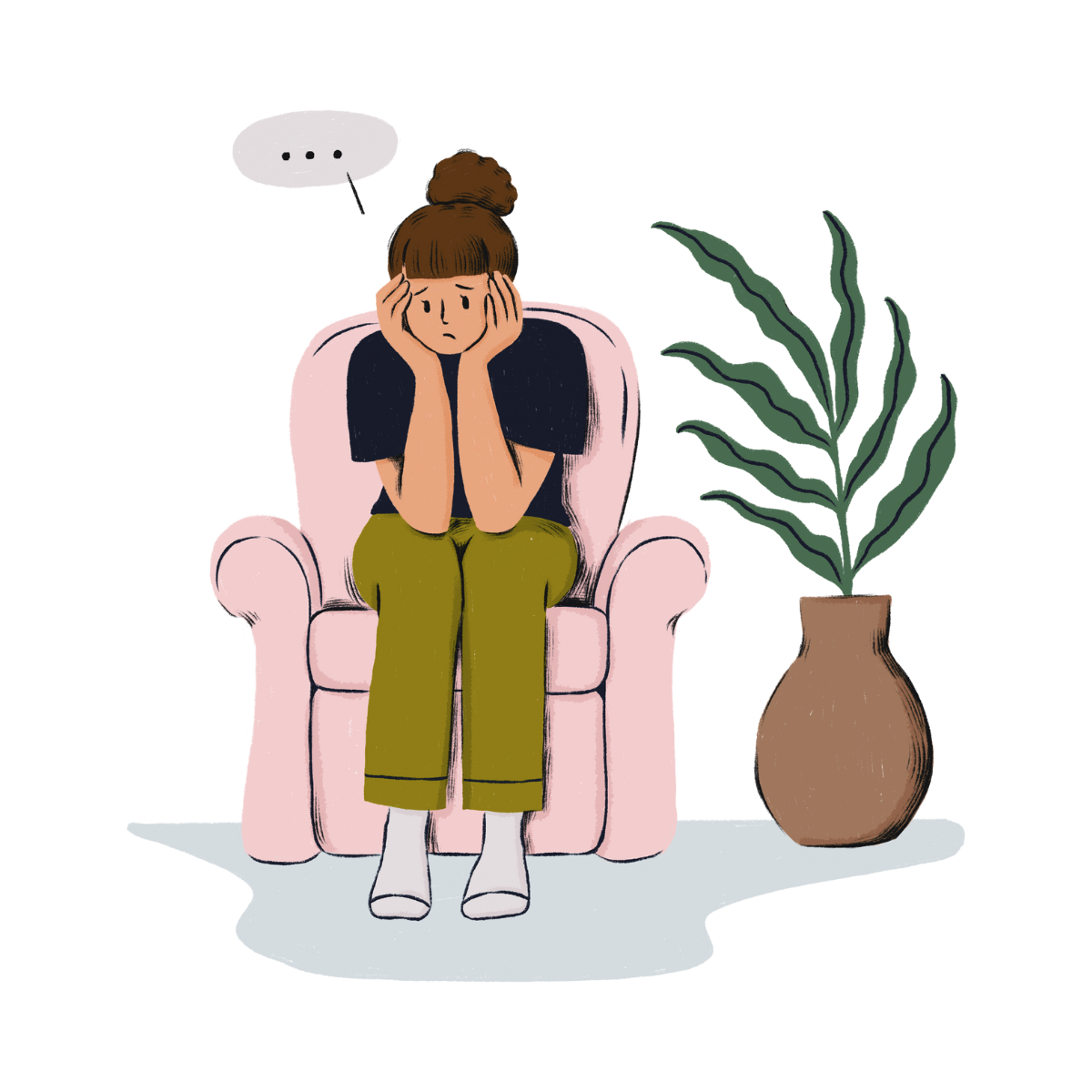
Researchers at NYU Langone Health are conducting a study on mindfulness and anxiety for adults living with symptoms of Generalized Anxiety Disorder (GAD).

Fast Facts

Experience Anxiety Symptoms (Worries More Often Than Not)

18-50

Years Old

Compensation

Provided up to $480

Conducted in

New York City, NY

Study Background

Can mindfulness or stress education reduce anxiety symptoms, and how do these therapies affect the brain?

This clinical research study, led by Dr. Naomi Simon at NYU Langone, is designed to understand how Mindfulness-Based Stress Reduction (MBSR) and Stress Education (SE) affect individuals with generalized anxiety disorder (GAD). Researchers will use fMRI scans, clinical interviews, and self-report surveys to learn how each approach works in the brain and whether biological sex influences treatment response.

Eligible participants will receive a full medical and psychiatric evaluation at no cost and take part in either an MBSR course or a Stress Education class. Both are free to join and held weekly in the evenings over 8 weeks. The study involves 11 visits over approximately 14 weeks, including brain scans, questionnaires, and brief check-ins. Some visits may be virtual.

Study Background

Can mindfulness or stress education reduce anxiety symptoms, and how do these therapies affect the brain?

This clinical research study, led by Dr. Naomi Simon at NYU Langone, is designed to understand how Mindfulness-Based Stress Reduction (MBSR) and Stress Education (SE) affect individuals with generalized anxiety disorder (GAD). Researchers will use fMRI scans, clinical interviews, and self-report surveys to learn how each approach works in the brain and whether biological sex influences treatment response.

Eligible participants will receive a full medical and psychiatric evaluation at no cost and take part in either an MBSR course or a Stress Education class. Both are free to join and held weekly in the evenings over 8 weeks. The study involves 11 visits over approximately 14 weeks, including brain scans, questionnaires, and brief check-ins. Some visits may be virtual.

Additional Information

This study aims to better understand the brain mechanisms behind two non-medication-based approaches for reducing anxiety. It also seeks to explore whether biological sex impacts how well these interventions work.

You may be eligible for this study if you meet the following criteria.

Inclusion Criteria:

  • Experience anxiety symptoms (worries more often than not)
  • Ages 18-50
  • Right-handed or ambidextrous
  • Vaccinated for COVID

Exclusion Criteria:

  • Diagnosed with major psychiatric conditions, such as bipolar disorder or schizophrenia, in the past year
  • Diagnosed with any substance use disorders in the past 6 months
  • Diagnosed with OCD or any eating disorders in the past year
  • Actively in therapy for anxiety (e.g., Cognitive Behavioral Therapy, Dialectical Behavior Therapy, or Acceptance and Commitment Therapy) (these treatments usually include regular homework and worksheets). General open-ended, supportive talk therapy is permitted
  • Regular meditation practice for the past 2 years
  • Regular use of any antipsychotics, stimulants, or benzodiazepines. Stable antidepressant medications are allowed
  • Limitations for undergoing an MRI (e.g., implants, pacemakers)
  • History of significant head injury
  • Currently pregnant

First, you’ll complete a medical and psychiatric screening. If eligible, you’ll be randomly assigned to an 8-week course of either Mindfulness-Based Stress Reduction (MBSR) or Stress Education (SE), with classes held in-person once a week for 2.5 hours. You’ll also complete 4 fMRI scans (two before and two after the class), brief surveys, and check-ins with the research team. A 3-month follow-up assessment is included.

Participants may receive between $480–$500 for completing study activities. In-person assessment visits are eligible for subway fare reimbursement. Participation also includes free access to MBSR or SE classes and comprehensive psychiatric and medical evaluations.

There is no cost for you to participate in our research study.