Can a Natural Topical Treatment Help Improve Eczema Symptoms?
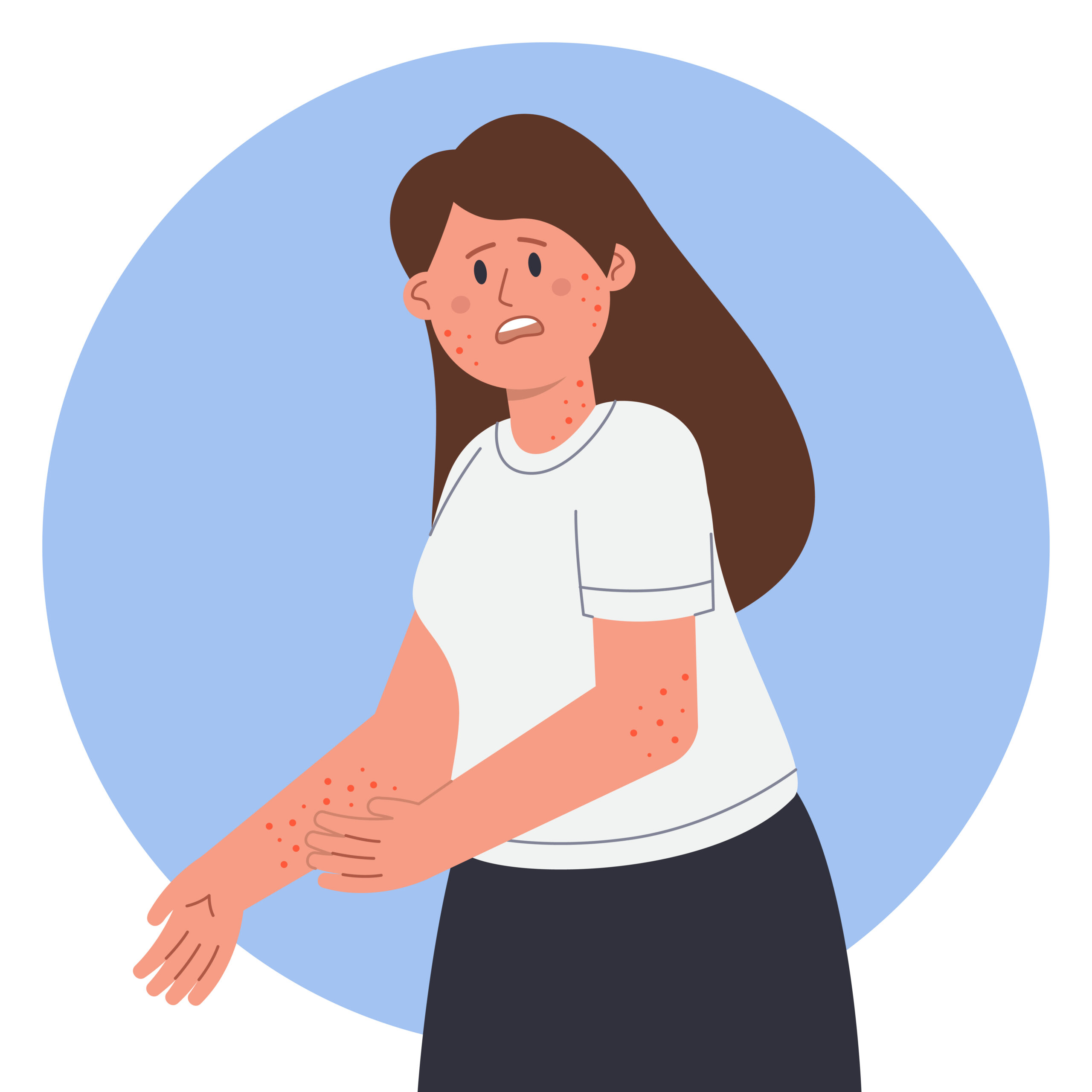
Eczema, also known as atopic dermatitis, is a skin condition that causes dryness, redness, and itching. It can be hard to manage, especially when current treatments don’t work well or cause side effects. Researchers at the NIH are exploring a new, natural option using healthy skin bacteria and a plant-based ingredient to see if it can help improve eczema symptoms.
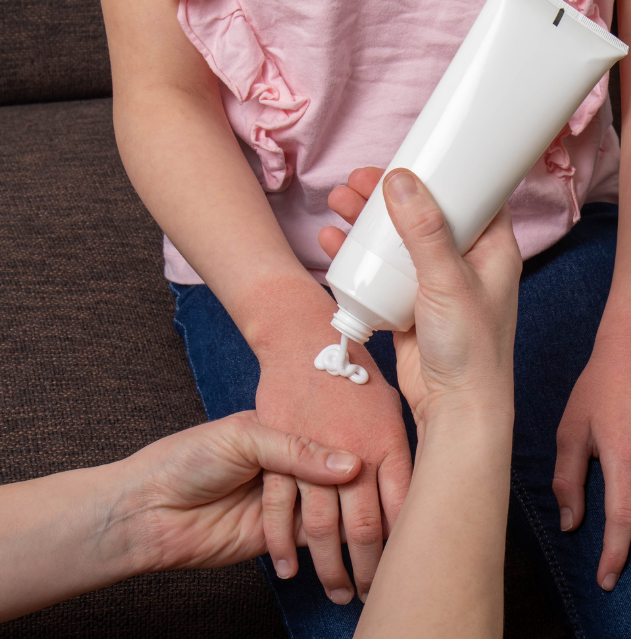
This virtual study is testing a topical cream that combines a good bacteria called Roseomonas mucosa with ground cardamom seeds, which may help reduce itching. Participants will use the cream (or a placebo) 2–3 times per week for 14 weeks, with check-ins done online. After that, they’ll stop using the cream but continue to be followed for another 14 weeks. The goal is to see if this treatment helps with eczema and itch, and whether a person’s location may affect how well it works.
Study Background
Can a Natural Topical Treatment Help Improve Eczema Symptoms?
Eczema, also known as atopic dermatitis, is a skin condition that causes dryness, redness, and itching. It can be hard to manage, especially when current treatments don’t work well or cause side effects. Researchers at the NIH are exploring a new, natural option using healthy skin bacteria and a plant-based ingredient to see if it can help improve eczema symptoms.
This virtual study is testing a topical cream that combines a good bacteria called Roseomonas mucosa with ground cardamom seeds, which may help reduce itching. Participants will use the cream (or a placebo) 2–3 times per week for 14 weeks, with check-ins done online. After that, they’ll stop using the cream but continue to be followed for another 14 weeks. The goal is to see if this treatment helps with eczema and itch, and whether a person’s location may affect how well it works.
This study is being done to find out if a topical treatment combining a healthy skin bacteria (Roseomonas mucosa) and ground cardamom seeds can improve eczema symptoms and reduce itching. Researchers also want to see if where someone lives affects how well the treatment works.
Virtual Screening Visit: You’ll meet with the study team online to learn more about the study and decide whether to participate. If you agree, consent forms will be reviewed and signed.
Receive Study Supplies: You’ll be mailed two boxes — one with supplies (like swabs) and one with the topical product (which may be the real treatment or a placebo).
Baseline Virtual Visit: Once you receive both boxes, you’ll have another virtual visit. The team will guide you through collecting a simple, non-invasive skin swab to see what bacteria are on the skin before starting treatment. They’ll also explain how to use the product for the first time.
Complete a Detailed Survey: You’ll fill out a survey asking about diet, home environment, and product use. This helps researchers understand what factors might affect how well the treatment works.
Use the Spray: The topical spray will be used 2–3 times per week for 14 weeks.
Regular Check-Ins: Every 3.5 weeks, you’ll get a short check-in survey. You’ll also have virtual visits with the NIH team every 7 weeks to monitor progress and answer any questions.
Post-Treatment Follow-Up: After 14 weeks, you’ll stop using the spray, but the study will continue for another 14 weeks. This is to see if the helpful bacteria stay on the skin and continue to provide benefits even after treatment ends — something seen in earlier versions of this study.