
OUD & Insomnia Research Study
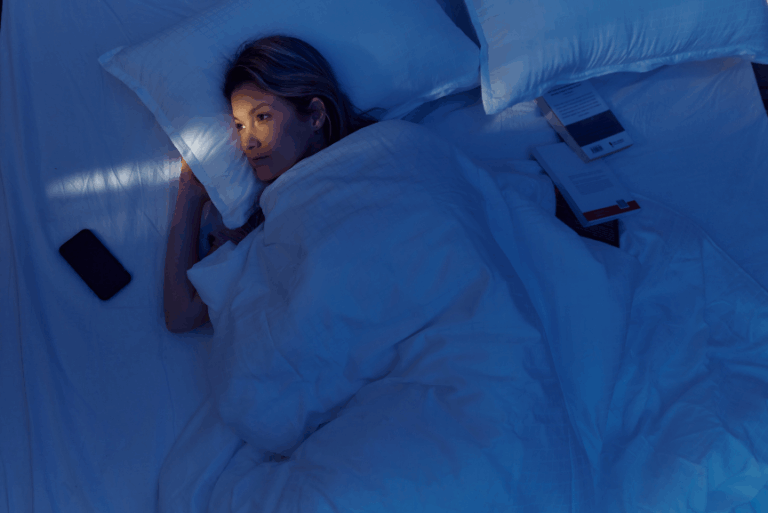
Researchers at the Medical University of South Carolina are conducting a research study to evaluate a potential treatment for insomnia in adults with opioid use disorder.
Fast Facts

Taking a stable dose of medication for opioid use disorder (e.g., methadone, buprenorphine)

Experiencing sleep problems & able to stay overnight at a sleep lab 3 times

Compensation
Provided up to $1055

Conducted in
Charleston, SC
Study Background
This study is testing whether an FDA-approved sleep medication can safely improve sleep in people receiving treatment for opioid use disorder.
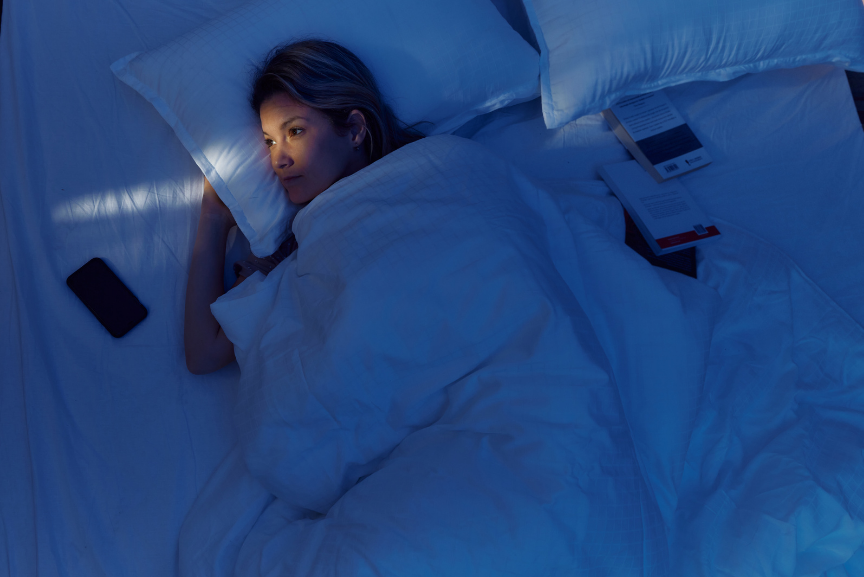
Many people with opioid use disorder (OUD) experience chronic insomnia, which can negatively affect health, recovery, and quality of life. Poor sleep may increase stress, worsen mood, and make it harder to maintain long-term recovery, yet treatment options for insomnia in this population are limited.
This research study will compare the sleep medication suvorexant to a placebo (an inactive substance with no medication) to see whether it improves total sleep time and reduces time spent awake during the night. Researchers will also closely monitor safety and examine whether the medication has any effect on unprescribed opioid use. The study includes sleep testing, health assessments, and daily sleep tracking over approximately 16 weeks.
Study Background
This study is testing whether an FDA-approved sleep medication can safely improve sleep in people receiving treatment for opioid use disorder.
Many people with opioid use disorder (OUD) experience chronic insomnia, which can negatively affect health, recovery, and quality of life. Poor sleep may increase stress, worsen mood, and make it harder to maintain long-term recovery, yet treatment options for insomnia in this population are limited.
This research study will compare the sleep medication suvorexant to a placebo (an inactive substance with no medication) to see whether it improves total sleep time and reduces time spent awake during the night. Researchers will also closely monitor safety and examine whether the medication has any effect on unprescribed opioid use. The study includes sleep testing, health assessments, and daily sleep tracking over approximately 16 weeks.
Additional Information
This study is being done to determine whether suvorexant is a safe and effective treatment for insomnia in adults with opioid use disorder compared to a placebo.
You may be eligible for this study if you meet the following criteria.
Inclusion Criteria:
- Taking a stable dose of medication for opioid use disorder (e.g., methadone, buprenorphine)
- Experiencing sleep problems
- Able to stay overnight at a sleep lab 3 times
- Not in opioid withdrawal and have not taken opioids in last month
- Not pregnant or breastfeeding
- No major mental health disorder (e.g., schizophrenia, bipolar disorder)
- No habitual use of depressants or stimulants
- Do not use illicit substances (e.g., fentanyl, cocaine, amphetamines, phencyclidine, barbiturates)
- Ages 18-70
If you choose to participate, you may be asked to:
- Complete a phone screening to see if you qualify
- Attend in-person and virtual study visits over about 16 weeks
- Be randomly assigned to receive either suvorexant or a placebo
- Take the study medication as instructed
- Complete a short daily sleep e-diary using a phone, tablet, or handheld device
- Provide blood and urine samples and complete alcohol breath tests
- Answer questions about your sleep, health, mood, and substance use history
- Stay overnight at a sleep laboratory on three occasions for sleep studies (polysomnography)
- Receive sleep hygiene education and routine medical assessments, including physical exams and heart monitoring
Participants can receive up to $1,055 for completing study activities, including screening visits, study visits, overnight sleep studies, and daily sleep diaries. Reasonable travel expenses for study-related visits may also be provided, but are not guaranteed.
There is no cost for you to participate in our research study.