
Remote Chronic Conditions Research Study
Researchers at the University of South Carolina are conducting a remote study to understand how adults with chronic conditions and their care partners (family members or close friends) can improve quality of life and health through telehealth support and self-management strategies.
Fast Facts

Diagnosis of one or more chronic conditions

Adults 18+ and a study partner (family member/close friend)

Compensation
up to $175

Conducted remotely
Study Background
Researchers at the University of South Carolina are conducting a remote study to learn how adults with chronic conditions and their care partners (family members or close friends) can better manage health and improve quality of life.
Living with a chronic condition can be challenging, especially for individuals and the care partners (family members/close friends) who support them. Adults in rural communities may face additional barriers, such as limited access to health care, social support, and resources, which can affect both physical and mental well-being. This study aims to better understand how adults with chronic conditions and their care partners (family members/close friends) can work together to manage health, reduce stress, and improve quality of life through a telehealth-based support program.
The findings from this study may help improve future interventions and resources for individuals living with chronic conditions and their care partners (family members/close friends), ultimately enhancing health outcomes and quality of life for both.
By learning from participants’ experiences, researchers hope to improve health and quality of life, and develop future solutions and interventions for individuals with chronic conditions and their study partners (family members/close friends).
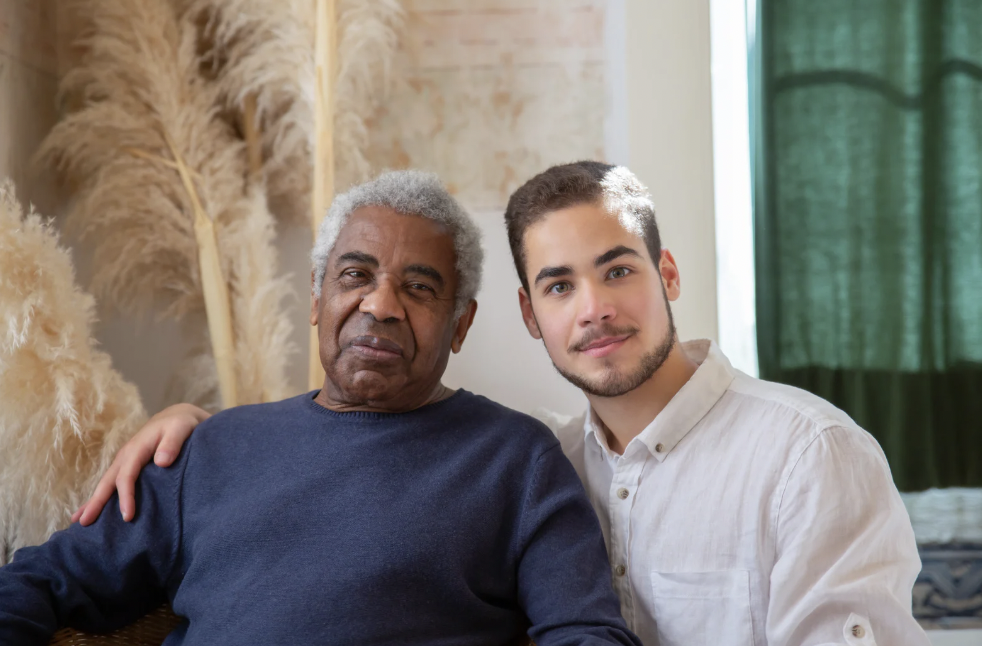
Study Background
Researchers at the University of South Carolina are conducting a remote study to learn how adults with chronic conditions and their care partners (family members or close friends) can better manage health and improve quality of life.
Living with a chronic condition can be challenging, especially for individuals and the care partners (family members/close friends) who support them. Adults in rural communities may face additional barriers, such as limited access to health care, social support, and resources, which can affect both physical and mental well-being. This study aims to better understand how adults with chronic conditions and their care partners (family members/close friends) can work together to manage health, reduce stress, and improve quality of life through a telehealth-based support program.
The findings from this study may help improve future interventions and resources for individuals living with chronic conditions and their care partners (family members/close friends), ultimately enhancing health outcomes and quality of life for both.
By learning from participants’ experiences, researchers hope to improve health and quality of life, and develop future solutions and interventions for individuals with chronic conditions and their study partners (family members/close friends).

Additional Information
In this research study, we are seeking to better understand how adults living with chronic health conditions and their care partners (family members/close friends) work together to manage health, cope with stress, and maintain quality of life, particularly in rural communities. We aim to examine how social support, self-management behaviors, and shared decision-making influence physical and mental well-being for both individuals in the care partnership.
This study evaluates a telehealth-enhanced intervention delivered by a registered nurse and community health worker that focuses on stress reduction, goal setting, health self-management, and connection to community resources. By treating the individual and care partner as a unit, we hope to better understand how interpersonal relationships impact health outcomes and identify effective strategies to improve quality of life for both partners.
You or your loved one may qualify for the study if you meet the following criteria:
Inclusion Criteria:
- Adults aged 18 years or older
- Diagnosed with one or more chronic health conditions, such as type 2 diabetes, hypertension, cardiovascular disease, heart failure, chronic kidney disease, or stroke for more than 3 months
- Have a study partner (family member or close friend) who provides care, can participate with you, and lives near you or with you.
- Able to read and speak English
- Lives in South Carolina
The study lasts 7 months. Once enrolled, participation involves:
If you choose to take part in this study, your participation will be completely remote and conducted from the comfort of your home. Here’s what you can expect:
- Random Assignment: You and your carepartner (family member / close friend) will be placed into one of two groups- Intervention and Control.
- Intervention Group Activities:
-
You will have two planning sessions, followed by eight guided sessions over 14 weeks with a nurse and community health worker team.
- These sessions will be held online (via video calls) and focus on topics like managing chronic conditions, medications, family support, and accessing resources.
- Sessions last 30–60 minutes and include goal setting, action planning, coaching, and providing emotional and practical support.
- Technology support may be provided if needed during participation.
- Internet access may be provided if needed during the study.
-
-
Control Group Activities:
- You will receive monthly pre-recorded health messages (5–7 minutes) for the first three months.
- You will receive monthly pre-recorded health messages (5–7 minutes) for the first three months.
- Intervention Group Activities:
Follow-Up for Both Groups:
- At months 4 and 7, you and your caregiver will complete follow-up surveys, either online or by phone.
- No in-person visits are required.
Time Commitment:
- Sessions last about 30–60 minutes each, with the frequency varying from weekly to bi-weekly over the course of the program.
As a participant, you and your study partner may receive up to $175 each for completing all study activities. If you complete only part of the study, partial compensation is provided for the sessions and surveys you complete.
There is no cost for you to participate in our research study.