Opioid Use Disorder & Sleep Research Study

Researchers at Johns Hopkins University are conducting a study in adults with opioid use disorder to better understand sleep problems and how they can be improved with treatment.

Fast Facts

Taking methadone or buprenorphine for opioid use disorder

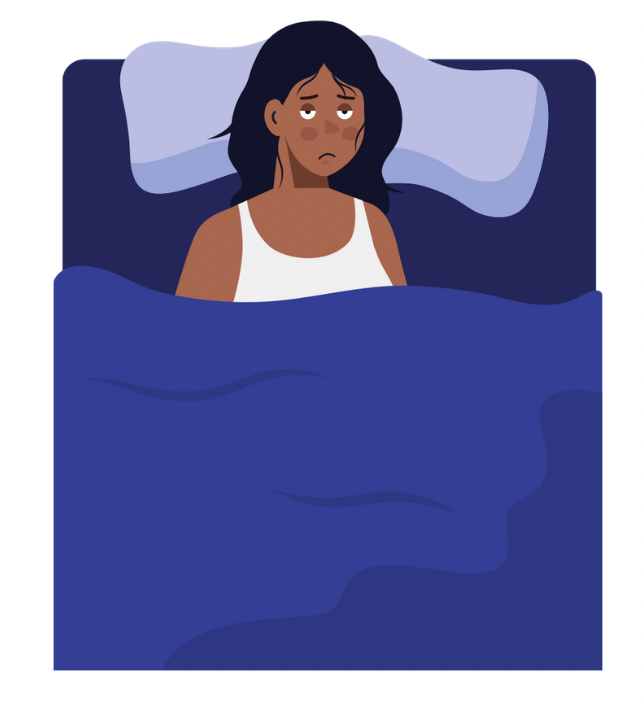
Have trouble falling or staying asleep

Compensation

provided up to $1,205

Conducted in

Baltimore, MD

Study Background

JHU is studying sleep in adults with opioid use disorder.

Opioid use disorder (OUD) is often accompanied by sleep problems, which can make recovery more difficult. Poor sleep may be linked to changes in the brain’s reward and arousal systems, stress, and daily routines. This study aims to understand how sleep is affected in adults taking methadone or buprenorphine for OUD and whether treatment with an FDA-approved sleep medication can improve sleep quality and overall well-being.

By learning more about these patterns, we hope to identify strategies to help people in recovery sleep better, reduce relapse risk, and support healthier daily functioning. Ultimately, the findings of this study may help improve sleep and quality of life for individuals living with opioid use disorder.

(Jennifer Ellis, Ph.D) IRB number (IRB00463795)

Study Background

JHU is studying sleep in adults with opioid use disorder.

Opioid use disorder (OUD) is often accompanied by sleep problems, which can make recovery more difficult. Poor sleep may be linked to changes in the brain’s reward and arousal systems, stress, and daily routines. This study aims to understand how sleep is affected in adults taking methadone or buprenorphine for OUD and whether treatment with an FDA-approved sleep medication can improve sleep quality and overall well-being.

By learning more about these patterns, we hope to identify strategies to help people in recovery sleep better, reduce relapse risk, and support healthier daily functioning. Ultimately, the findings of this study may help improve sleep and quality of life for individuals living with opioid use disorder.

(Jennifer Ellis, Ph.D) IRB number (IRB00463795)

Additional Information

In this study, we are exploring sleep problems in adults with opioid use disorder (OUD) who take methadone or buprenorphine. We aim to understand how OUD, daily routines, and the brain’s reward and arousal systems affect sleep, and whether an FDA-approved sleep medication can improve sleep quality and overall well-being.

You may be eligible for this study if you meet the following criteria.

Inclusion Criteria:

  • Ages 18–70
  • Diagnosed with opioid use disorder
  • Currently taking methadone or buprenorphine
  • Experiencing trouble falling or staying asleep

Exclusion Criteria:

  • Currently using opioids, cocaine, sedatives, or other substances nonmedically
  • Pregnant, breastfeeding, or planning to become pregnant during the study
  • Significant medical conditions that would make participation unsafe (as determined by the study team)
  • Physical exam results or vital signs outside normal limits

The entire study lasts about 10 weeks. Once enrolled, the study involves:

In-person visits: You will attend approximately 9 in-person visits, including a screening visit, weekly study visits, and three overnight sleep studies. During these visits, you will complete physical exams, vital signs checks, and brief surveys. You will also take the study medication (suvorexant or placebo) as directed. Food will be provided for overnight visits, and reasonable travel expenses for study-related visits may be covered.

From home: You will complete brief surveys on a smartphone to track your sleep, mood, and daily experiences. These surveys are short and easy to complete, helping researchers understand how sleep patterns change over time and in response to the study medication.

As a participant, you may receive up to $1,205 for completing all study visits and procedures. Reasonable travel expenses for study-related visits may also be covered.

There is no cost for you to participate in our research study.