Bariatric Surgery Weight
Regain Research Study
Up to 20–30% of people who undergo bariatric surgery regain weight over time, making it harder to maintain long-term health and manage conditions like diabetes or high blood pressure. This study will evaluate whether a remotely delivered behavioral program can help reduce weight regain and improve eating habits, physical activity, and overall health after surgery.
Fast Facts
Had a Gastric Bypass or Sleeve Gastrectomy Within 6–48 Months
Have Overweight or Obesity (BMI > 25) & Have Regained Weight After Surgery
Compensation
Provided
Conducted in
Chicago, IL
Study Background
Rush University Medical Center researchers are evaluating an online behavioral program designed to help adults who have regained weight after bariatric surgery.
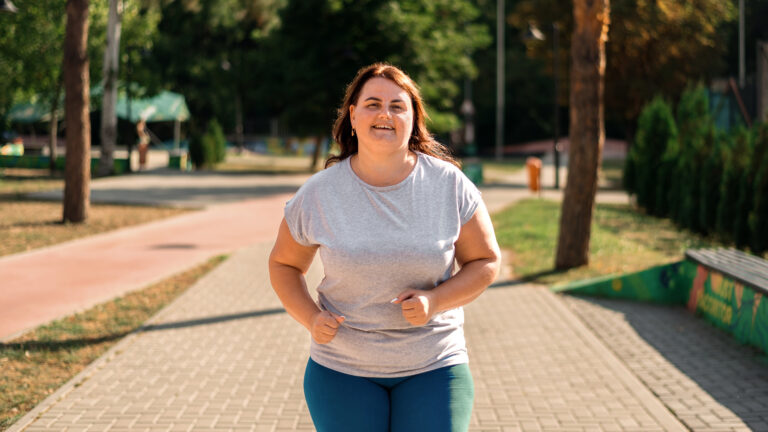
Many people experience some weight regain after bariatric surgery, even after achieving initial success. This study aims to test a remotely delivered, acceptance-based behavioral intervention (ABTi) to determine whether it can help reverse weight regain and improve related health factors such as blood sugar, cholesterol, and blood pressure.
The study will compare two groups of participants: one receiving the ABTi program, which includes interactive online lessons and brief phone coaching sessions, and a control group that receives phone calls reviewing standard dietary and behavioral strategies taught before surgery. The goal is to understand whether ABTi helps participants reduce weight, improve health, and develop more mindful, effective eating behaviors over 12 months.
Additional Information
This study is being conducted to test the effectiveness of a remotely delivered behavioral program in helping adults manage and reverse weight regain after bariatric surgery.
You may be eligible for this study if you meet the following criteria.
Inclusion Criteria:
- Had a gastric bypass or sleeve gastrectomy within 6 to 48 months
- Currently overweight or obese (BMI > 25)
- Gained back the weight lost after surgery
- Can walk at least one city block without assistance
- Ages 18-70
Exclusion Criteria:
- Long-term treatment with oral steroids
- Current use of weight loss medication (OTC or prescription)
- Currently pregnant, pregnancy/lactation in the previous 6 months, or planning to become pregnant within 12 months
- Psychiatric hospitalization in the past 6 months
- Use of tobacco products
- Alcohol or substance abuse within the past 12 months or at-risk drinking (i.e., consumption > 14 alcohol drinks per week)
- Weight loss >10 lbs in the past 3 months
- History of more than one bariatric procedure
- Current enrollment in a structured weight-loss program
If eligible, you will be randomly assigned to one of two groups: the Intervention group (receiving the online ABTi program plus brief health coaching calls) or the Control group (receiving brief phone calls reviewing standard bariatric guidelines).
If randomized to the ABTi group, you will complete a 6-month intervention delivered online and through phone coach calls, where you will be asked to follow a plan to maintain or lose weight by altering your eating habits, your physical activity, and the way you think about your eating and weight.
If randomized to the control group, you will complete 6 months of phone coach calls, where you will review dietary and behavioral instructions that you received as part of your bariatric surgery process.
Each visit includes:
- Weight and blood pressure measurement
- Blood draw (after a 12-hour fast) to check blood glucose, HbA1c, cholesterol, and triglycerides
- Online surveys
- Wearing a wrist monitor for 7 days to track physical activity
- Completing short daily smartphone surveys about eating behavior and mood
Some study activities will take place online or over the phone, while others require in-person visits at Rush University Medical Center.
Participants will receive:
- $50 at baseline
- $50 at mid-treatment (3 months)
- $75 at post-treatment (6 months)
- $75 at follow-up (12 months)
- Up to $31.50 for the completion of smartphone-based surveys at each of the four clinical assessment points mentioned above
You’ll also be reimbursed for travel expenses related to in-person visits ($10–$20 depending on visit length). Payment is made within approximately 30 days of each completed visit.
There is no cost for you to participate in our research study.