Obsessive-Compulsive Disorder
Research Study
Join a compensated research study funded by Weill Cornell Medicine aimed at studying the effectiveness of Transcranial Magnetic Stimulation (TMS) for the treatment of obsessive-compulsive disorder (OCD).
Fast Facts

Diagnosed With OCD

18-75 Years Old

Compensation Provided

Conducted in New York City
Study Background
The main goal of our study is to improve treatment methods for individuals struggling with OCD.
New interventions are urgently needed to treat OCD, as more than 25% of patients show no improvement with the current treatment methods.
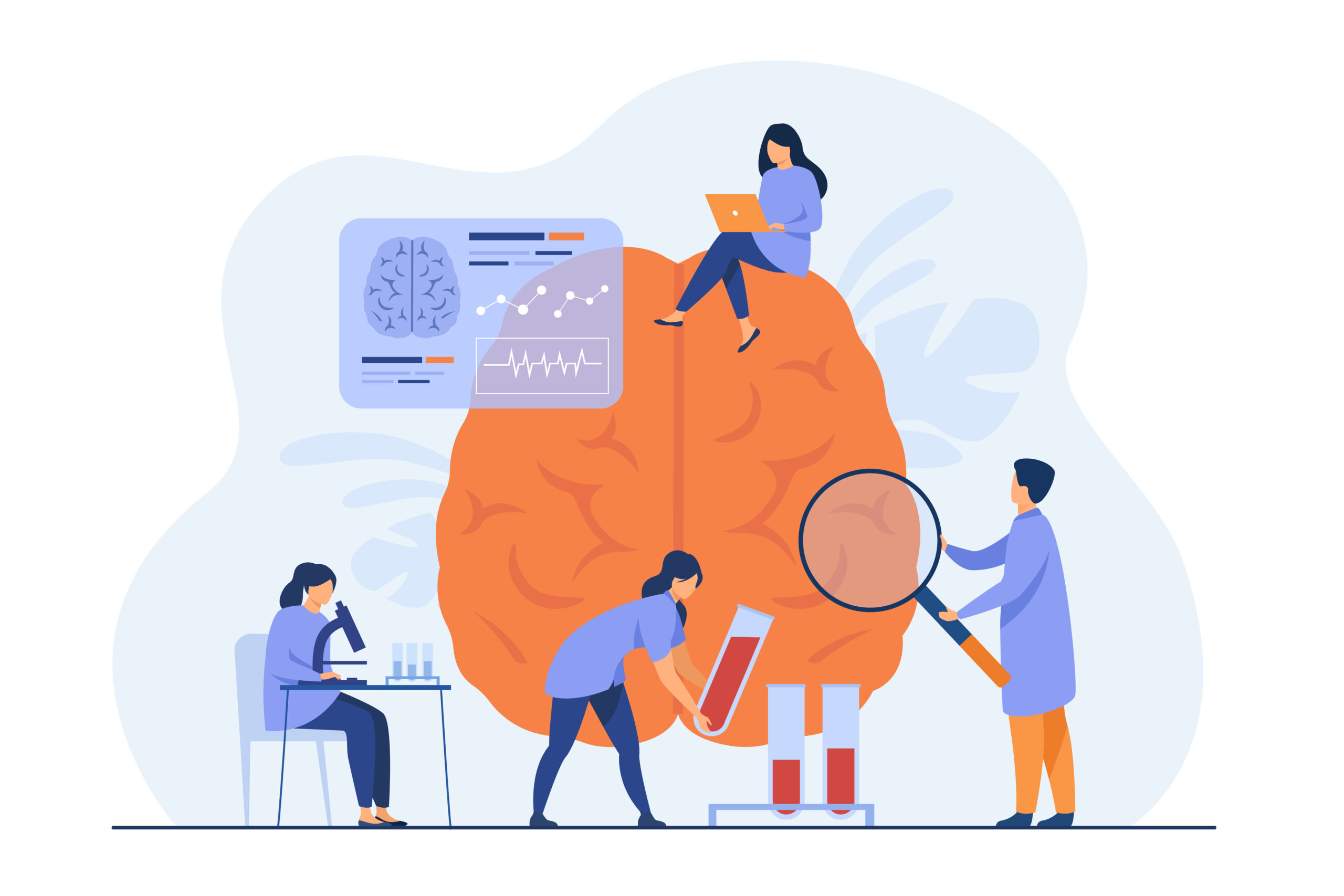
Our researchers are evaluating repetitive transcranial magnetic stimulation (rTMS) as a treatment for patients with OCD. rTMS uses focused magnetic field pulses to stimulate specific brain areas.
Contribute to the development of better treatment options for people living with Obsessive-Compulsive Disorder by joining our study today.
Study Background
The main goal of our study is to improve treatment methods for individuals struggling with OCD.
New interventions are urgently needed to treat OCD, as more than 25% of patients show no improvement with the current treatment methods.
Our researchers are evaluating repetitive transcranial magnetic stimulation (rTMS) as a treatment for patients with OCD. rTMS uses focused magnetic field pulses to stimulate specific brain areas.
Contribute to the development of better treatment options for people living with Obsessive-Compulsive Disorder by joining our study today.
Additional Information
The primary goal of our study is to develop better treatment options for those living with OCD.
You may be eligible if:
You have a diagnosis of OCD.
You are between 18 and 75 years of age.
You tried a medication and/or psychotherapy to treat your OCD and it did not work or you could not tolerate it.
You are willing and able to participate in in-person MRI scans and daily TMS treatment sessions in New York City.
It may not be possible for you to participate if:
You have a history of seizures.
You have a neurological disorder.
It’s not safe or tolerable for you to have an MRI scan.
You have changed medications or medication dosages within the last month.
A more detailed review of eligibility will be conducted by the study team prior to enrollment.
- In-person screening visit / diagnostic evaluation: clinical assessment, self-report questionnaires, blood draw, and pregnancy test (if applicable)
- In-person treatment with Transcranial Magnetic Stimulation (TMS)
- Weekly mood assessment and clinical check-ins with study psychiatrist for the duration of treatment
- Two MRI scans (pre and post-treatment)
- Longitudinal follow-up assessments (clinical assessments and self-reports)
You may receive compensation for your participation.
There is no cost for you to participate in our research program.