Remote STATE training for Insomnia in Older Adults (rSTATE)

Researchers at Posit Science Corporation are conducting a study in adults 65 and older to compare two interventions designed to improve sleep regulation and brain health.

Fast Facts

Insomnia or Sleep Difficulties

65+ Years Old

Compensation Provided

Conducted Remotely

Study Background

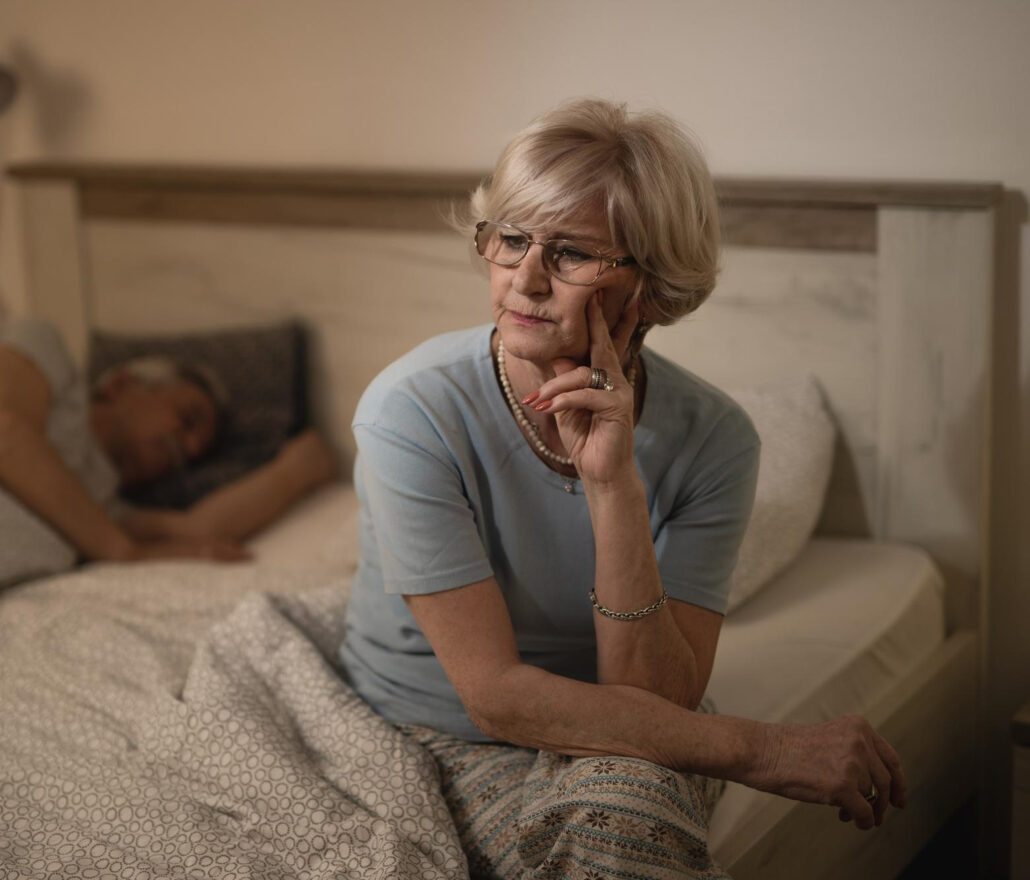
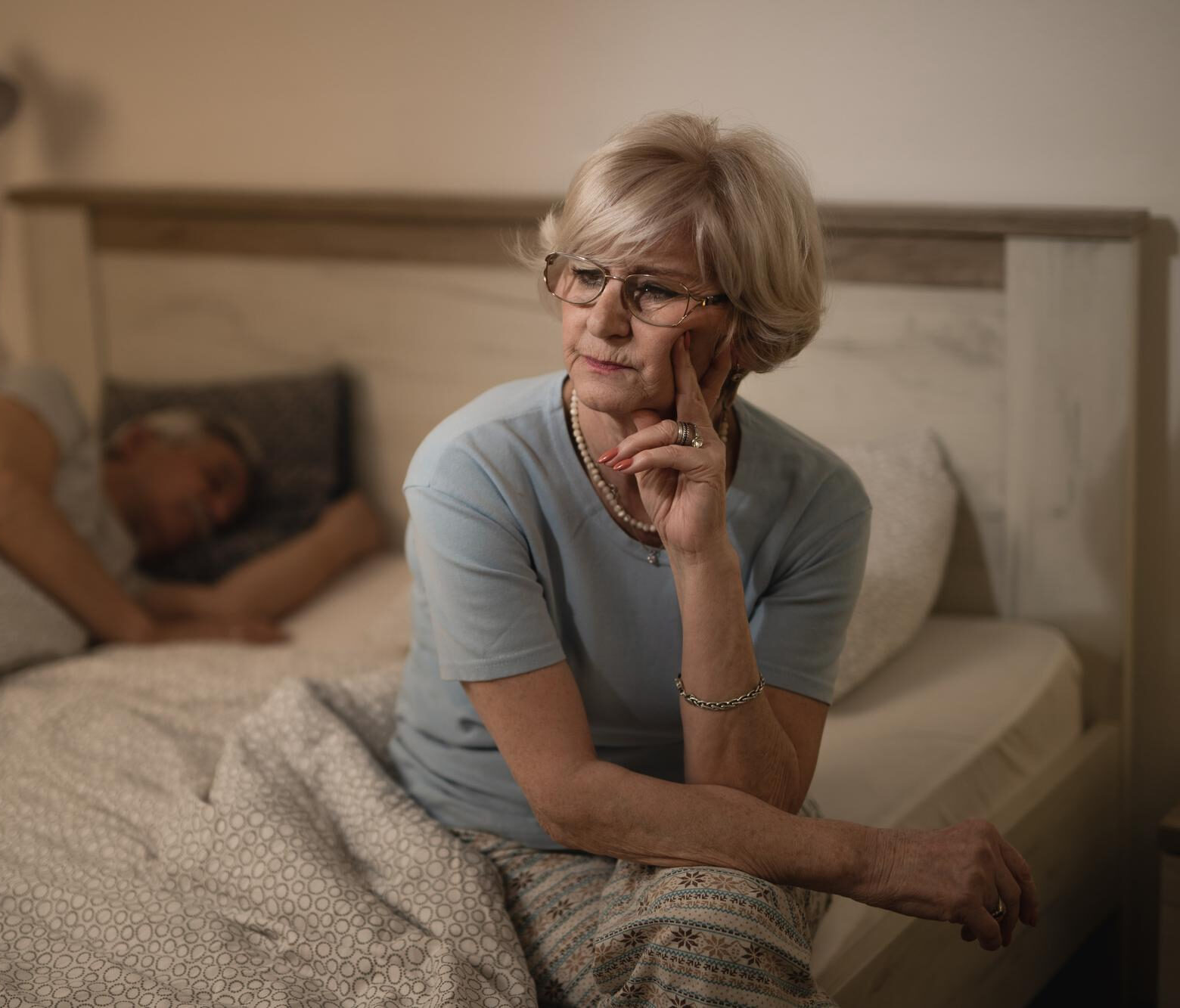
Do you have trouble sleeping and have noticed that your cognitive abilities are not as sharp as they used to be? Do you have trouble concentrating, problem solving, or remembering things? Have you ever been diagnosed with insomnia?

You might consider participating in a research study that involves a computerized training program designed to engage thinking processes in persons with late-life insomnia and sleep disorders.

Individuals with insomnia may have problems with attention, memory, language, problem solving, or decision-making. The purpose of this research study is to compare two interventions designed to improve sleep regulation and brain health in older adults with insomnia. One of the interventions, the computerized training program, has not been approved by the U.S. Food and Drug Administration and is investigational.

Eventually, we hope that the findings of this study might be useful for preventing and treating sleep problems in later life. Help advance sleep research by enrolling today!

Study Background

Do you have trouble sleeping and have noticed that your cognitive abilities are not as sharp as they used to be? Do you have trouble concentrating, problem solving, or remembering things? Have you ever been diagnosed with insomnia?

You might consider participating in a research study that involves a computerized training program designed to engage thinking processes in persons with late-life insomnia and sleep disorders.

Individuals with insomnia may have problems with attention, memory, language, problem solving, or decision-making. The purpose of this research study is to compare two interventions designed to improve sleep regulation and brain health in older adults with insomnia. One of the interventions, the computerized training program, has not been approved by the U.S. Food and Drug Administration and is investigational.

Eventually, we hope that the findings of this study might be useful for preventing and treating sleep problems in later life. Help advance sleep research by enrolling today!

Additional Information

Many people find that their sleep changes as they age, possibly disrupting the patterns they are used to. Poorer sleep quality can affect cognitive processes in the brain, like attention, memory, language, problem solving, or decision-making. We want to find out if a computerized training program can help improve sleep regulation and keep thinking sharp for older adults.


You may qualify for a study if you meet the following criteria.

Inclusion Criteria:

  • 65+ years old
  • Have difficulties falling asleep, staying asleep, or waking up too early
  • U.S. resident
  • Fluent in English
  • Willing to complete the 7 nights of sleep diary entries

Exclusion Criteria:

  • Untreated obstructive sleep apnea or diagnosis of other sleep disorders (e.g., restless leg syndrome)
  • Severe vision or hearing difficulties
  • Past or present psychosis, schizophrenia, bipolar disorder, or untreated psychiatric disorders including substance abuse/dependence disorders
  • Seizure disorders
  • Recent hospitalization
  • Currently undergoing chemotherapy or other cancer treatments
  • Currently enrolled in another clinical trial or engaged in another insomnia treatment

All study activities will be performed remotely. If you live in the San Francisco Bay Area and agree to participate in the sleep monitoring portion, it will require one in-person lab visit. Participation will follow these steps:

  1. Pre-screening: assessment for general eligibility
  2. Consent and screening visit: We will discuss the study with you and assess for more eligibility criteria. You will also be asked to complete 7 days of sleep diary entries.
  3. Pre-intervention visit: You will complete some cognitive and functional assessments to establish your baseline performance.
    1. If you live in the San Francisco Bay Area, you will be asked to meet in-person with the sleep technician at the lab to get oriented to a sleep monitoring device. You will then complete sleep monitoring for 2 consecutive nights.
  4. Randomization: You will be randomly assigned to participate in one of two interventions.
  5. Program Orientation: A remote session where study staff will give you information about your assigned intervention.
  6. Intervention period: You will engage in the tasks for your assigned intervention for 9 weeks. Study staff will conduct weekly check-ins with you during this period.
  7. Post-intervention visit: You will repeat the cognitive assessments from the pre-intervention visit to see how your performance has changed, and you will repeat the sleep diary. You will also fill out a questionnaire about your experience with the intervention.
    1. If you completed sleep monitoring the first time, you will repeat sleep monitoring for 2 more consecutive nights.
  8. Follow-up visit: 6 months later, you will repeat the cognitive assessments and sleep diary one more time.

Participants who complete the entire study WITH the sleep monitoring will earn $438. Participants who complete the study WITHOUT sleep monitoring will earn $188.

There is no cost for you to participate in our research study.