Infant Social Development Research Study

Yale School of Medicine researchers are seeking pregnant women in their second or third trimester with a family history of autism to participate in a study on early social development.

Fast Facts

Pregnant woman in second or third trimester

Infant has a family member with autism (parent, sibling, aunt, uncle, or cousin)

Compensation

Provided Up To $350

Conducted in

New Haven, CT

Study Background

Researchers at the University of Pittsburgh are conducting studies in adolescents and young adults to understand depression, how it develops, and how to change it.

This study at Yale School of Medicine is investigating how early brain connectivity influences social development in infants, including those who have a family member with autism. By examining the brain’s networks in newborns and following their social, cognitive, and language development over time, we aim to better understand how infants learn to interact with the world around them.

Our goal is to identify the brain mechanisms that support healthy social development and to understand how these mechanisms may differ in infants who are at higher familial risk for social difficulties. By learning more about these early processes, we hope to provide insights that can support interventions and strategies to promote positive social and developmental outcomes for children.

The knowledge gained from this study may ultimately help researchers and clinicians find ways to support healthy social development in early childhood, benefiting both children and their families.

Study Background

Yale School of Medicine is seeking expectant mothers in their second or third trimester with infants who have a family member with autism. 

This study at Yale School of Medicine is investigating how early brain connectivity influences social development in infants, including those who have a family member with autism. By examining the brain’s networks in newborns and following their social, cognitive, and language development over time, we aim to better understand how infants learn to interact with the world around them.

Our goal is to identify the brain mechanisms that support healthy social development and to understand how these mechanisms may differ in infants who are at higher familial risk for social difficulties. By learning more about these early processes, we hope to provide insights that can support interventions and strategies to promote positive social and developmental outcomes for children.

The knowledge gained from this study may ultimately help researchers and clinicians find ways to support healthy social development in early childhood, benefiting both children and their families.

Additional Information

In this research study at Yale School of Medicine, we are trying to understand how social development emerges in infants, particularly those with a family history of autism. We aim to better understand the development of the brain networks that support social, cognitive, and language growth in early life. Social development is influenced by the way these brain networks function, infants’ early experiences, and interactions with their families, and we will measure all of these. We also want to see how differences in these networks may relate to later social behaviors and abilities. To do this, we are using neuroscience to guide us, combining non-invasive brain imaging with interactive, developmentally appropriate activities during follow-up visits to observe how infants engage with their environment and respond to social experiences.

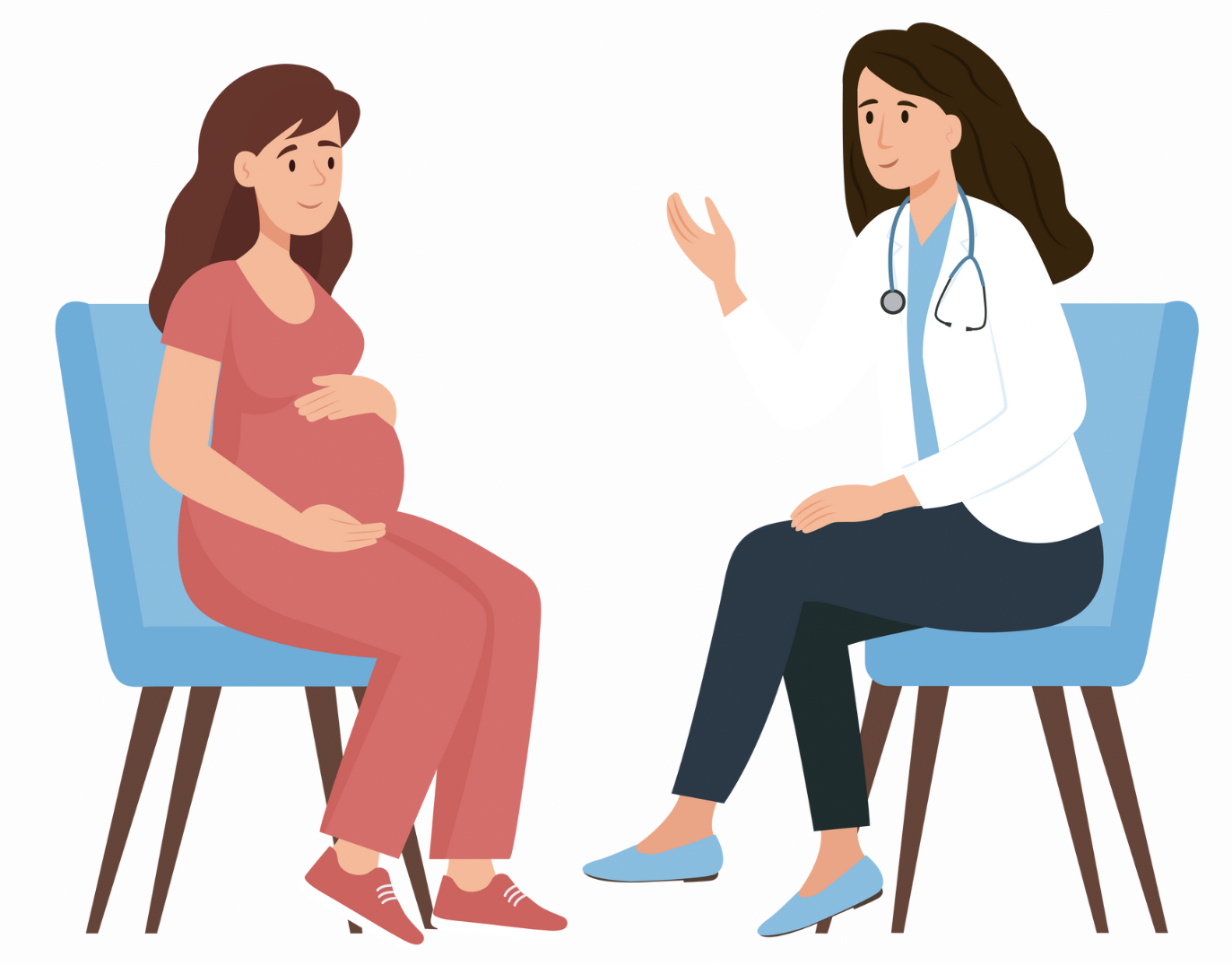
You may be eligible for this study if you meet the following criteria:

Inclusion Criteria:

  • Pregnant woman in the second or third trimester
  • Infant has a family member with autism (parent, sibling, aunt, uncle, or cousin)
  • Willing to attend repeated in-person visits in New Haven, CT
  • Primary language spoken at home is English


Exclusion Criteria:

  • Prenatal exposure to illicit drugs
  • Major psychotic disorder in the mother
  • Any condition that would prevent safe participation in MRI for the infant (e.g., certain medical implants or severe medical complications)

The entire study lasts 18 months. Once enrolled, participation involves:

  • In the lab: Several visits at the Yale School of Medicine, starting when your baby is 2–4 weeks old and continuing at 4, 6, 12, and 18 months. During these visits, infants will participate in non-invasive brain imaging using MRI while they naturally nap. Each visit also includes assessments of social, cognitive, and language development through age-appropriate activities and interactions. Parents may be asked to complete questionnaires about their baby’s behavior and development.
  • From home: Parents may be asked to complete brief surveys about their infant’s daily behavior, social interactions, and experiences. These surveys are short, easy to complete, and designed to help researchers understand how everyday experiences relate to early brain and social development.

As a participant, you may receive up to $350. 

There is no cost for you to participate in our research study.