Volunteer Research Studies
Researchers at UTHealth Houston are conducting three studies to learn more about fear and the brain.
Fast Facts

No Significant Mental Health Symptoms

18-70
Years Old

Compensation
Provided

Conducted On-Site
in Houston, TX
Study Background
How does the brain respond to fear?
Fear is a natural response that keeps us safe from danger in our environments. However, problems with the natural fear response – for example, in post-traumatic stress disorder – can affect a person’s quality of life. In these studies, we want to investigate how the brain learns to fear by examining the brain in three different ways.
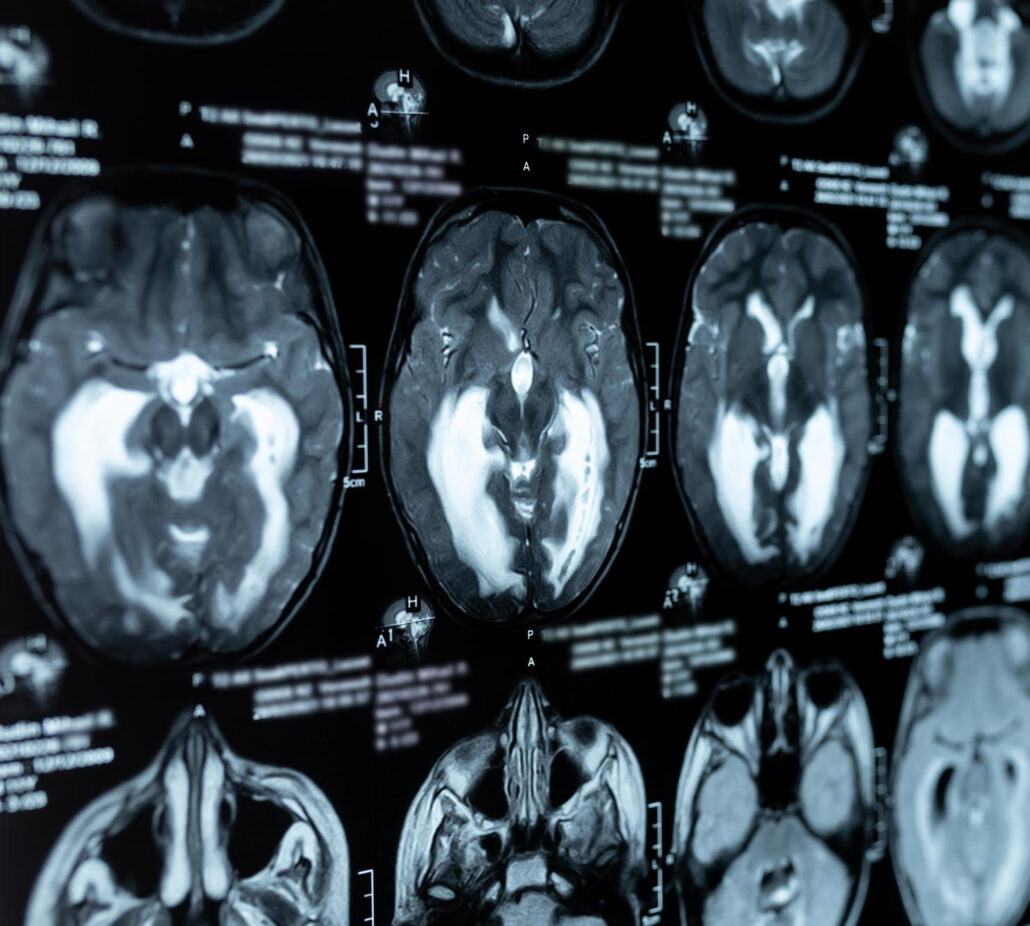
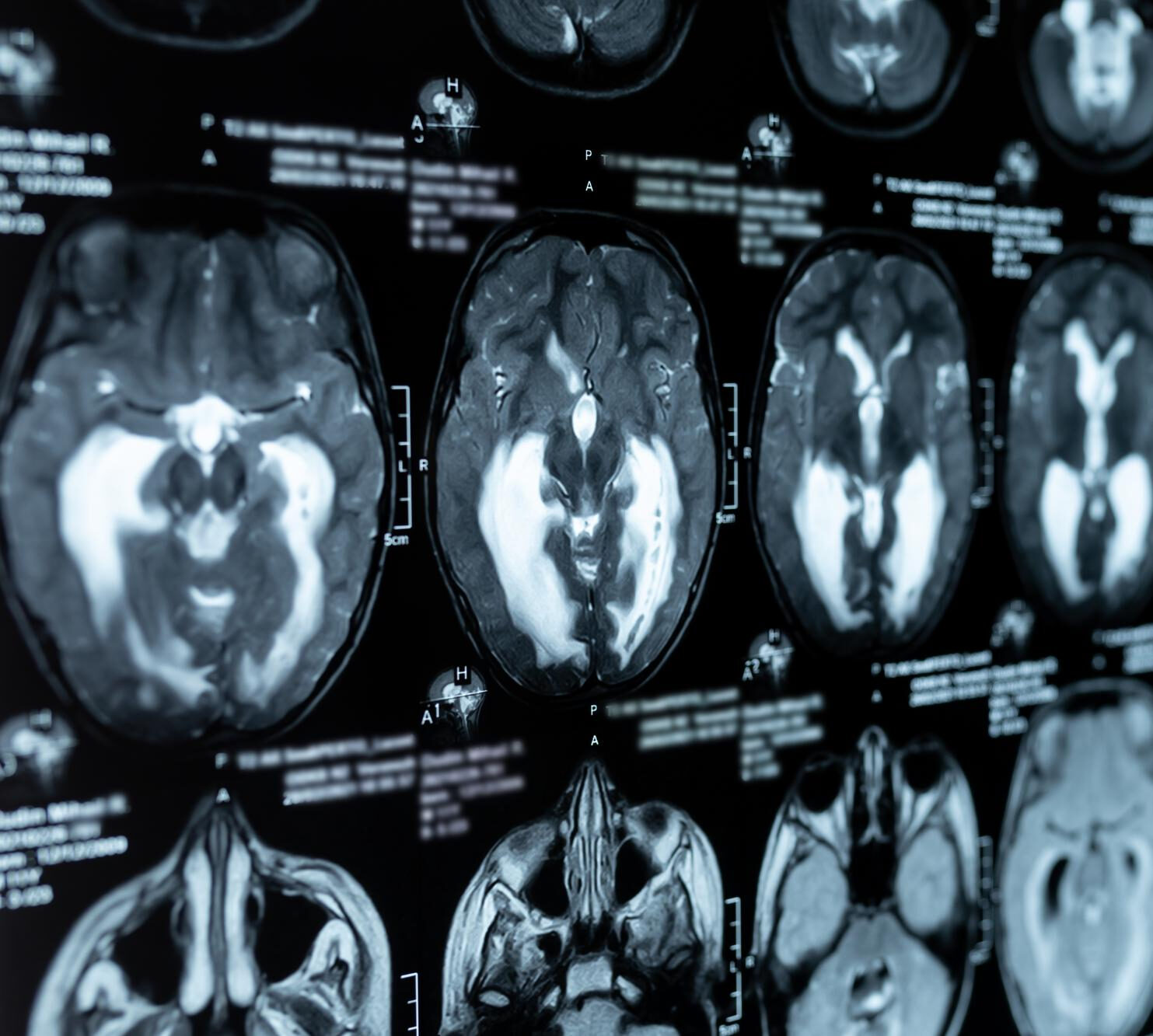
- Avoidance study: This study will investigate how our brain learns about avoidance responses, emotional learning, and memory using functional MRI scans.
- TMS study: This study will investigate how transcranial magnetic stimulation (TMS) impacts the way our brains learn to fear and extinguish those fears.
- EEG study: This study will investigate how we learn to fear, and avoid what we fear, by using electroencephalogram (EEG) to record activity in your brain.
If you are an adult with no significant mental health symptoms, you could be an essential part of this scientific research. Find out if you are eligible to enroll in a study today.
Study Background
How does the brain respond to fear?
Fear is a natural response that keeps us safe from danger in our environments. However, problems with the natural fear response – for example, in post-traumatic stress disorder – can affect a person’s quality of life. In these studies, we want to investigate how the brain learns to fear by examining the brain in three different ways.
- Avoidance study: This study will investigate how our brain learns about avoidance responses, emotional learning, and memory using functional MRI scans.
- TMS study: This study will investigate how transcranial magnetic stimulation (TMS) impacts the way our brains learn to fear and extinguish those fears.
- EEG study: This study will investigate how we learn to fear, and avoid what we fear, by using electroencephalogram (EEG) to record activity in your brain.
If you are an adult with no significant mental health symptoms, you could be an essential part of this scientific research. Find out if you are eligible to enroll in a study today.
Additional Information
The purpose of these research studies is to understand how we learn to fear, and learn not to fear, certain stimuli. We hope that a deeper understanding of the brain’s emotional learning and avoidance may eventually lead to better treatments for fear-related disorders, such as PTSD.
You may be eligible for a study if you meet the following criteria.
Inclusion Criteria:
- 18-70 years old
- No significant mental health symptoms
- Able to attend 2-4 on-site study visits in Houston, TX
If you are eligible and choose to participate in one of the studies, you will complete between 2-4 in-person visits, depending on the study.
Avoidance study: This study will investigate how our brain learns about avoidance responses, emotional learning, and memory. This study includes 3 visits:
- One eligibility assessment (about 2 hours)
- Two fMRI scans (about 2 hours each, on two consecutive days)
TMS study: This study will investigate how transcranial magnetic stimulation (TMS) impacts the way our brains learn to fear and extinguish those fears. TMS uses a magnetic coil (metal wire wound into a coil) to send pulses to stimulate your brain. This procedure does not use any radiation (x-rays), and there will be no direct physical contact with your brain. This study includes 4 visits:
- One eligibility assessment (about 2 hours)
- One session of TMS + fMRI (about 2 hours)
- Two fMRI scans (about 2 hours each)
EEG study: This study will investigate how we learn to fear, and avoid what we fear, by using electroencephalogram (EEG) to record activity in your brain. This procedure does not use any radiation (x-rays), and there will be no direct physical contact with your brain. This study includes 3 visits:
- One eligibility assessment (about 2 hours)
- Two EEG visits, where you will complete an emotional learning and memory task (about 1.5 hours each, on two consecutive days)

All studies provide paid compensation (depending on the study, can be up to $230 to $330).
There is no cost for you to participate in any of our research studies.